
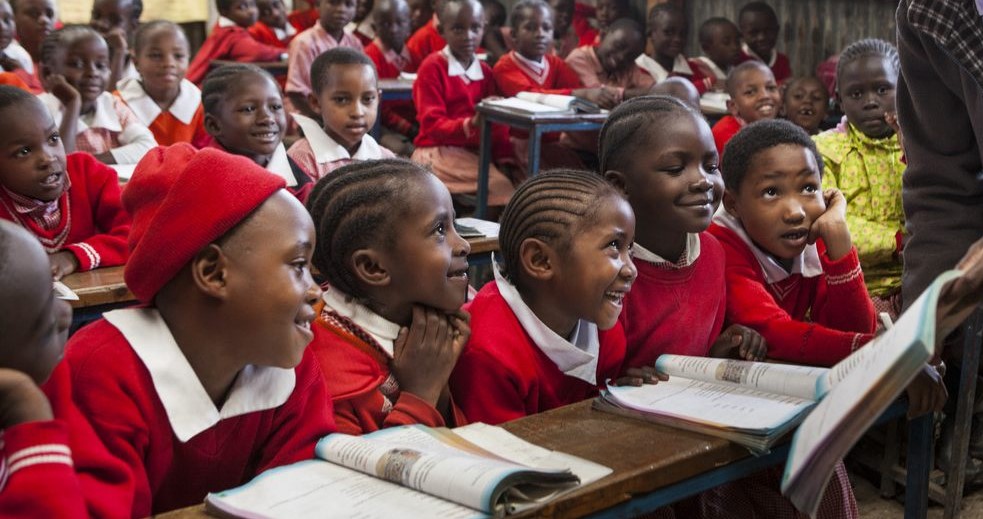
The numbers are astronomical, but the skepticism is higher. The government officially announced a massive 765 billion Shilling (~$5.9 billion) education budget allocation for the upcoming 2026/2027 fiscal year. While state officials are celebrating this as a historic commitment to the future—boasting about recruiting 100,000 teachers and constructing 23,000 classrooms over the last four years—everyday citizens are asking a much tougher question: Is the reality on the ground matching the math on the paper? With acute infrastructural deficits hitting rural public schools and Junior Secondary Schools (JSS), a massive digital tracking debate is kicking off across Kenya.
👥 What This Massive Budget Means For You
For Parents
Lingering financial doubt. While a 765 billion Shilling investment sounds like a relief, it directly follows years of shifting costs onto households for extra CBC desk requirements, uniform changes, and parental learning contributions. You are reading about multi-billion shilling disbursements while simultaneously being asked by local school boards to dip back into your own pockets to finish half-built classrooms.
For Teachers
A desperate need for backup. The Teachers Service Commission (TSC) secured a massive 422.95 billion Shilling chunk of this budget primarily to handle teacher management and recruitment. However, with massive classroom enrollments squeezing public school systems, you are watching the cash dry up on administrative overhead while struggling with overpopulated classrooms and empty science kit shelves.
For Students
The promise of infrastructure. The government claims this money guarantees the completion of thousands of missing labs and classrooms. For a student, the stakes are clear: this budget allocation determines whether you will finally get to sit in a modern, equipped computer lab this year, or if you will continue sharing a single outdated textbook between three desk partners.
🔍 The Deep Dive: Breaking Down the 765 Billion Shillings
To truly hold the education sector accountable, we have to look past the grand speeches and track exactly where the National Assembly and Treasury have cut the pie for the 2026/2027 cycle.
1. The Division of the Spoils
The massive expenditure is split across three distinct state engines, revealing where the state's true priorities lie:
Teachers Service Commission (TSC): 422.95 Billion KES. This is the lion's share of the money, earmarked strictly to manage the expanding national payroll, teacher salaries, and targeted recruitment drives.
State Department for Higher Education & Research: 160.09 Billion KES. This bucket is heavily tied up in keeping the new, controversial university funding bands afloat and keeping local public universities from sliding into deeper bankruptcy.
State Department for Basic Education: 134.78 Billion KES. This is the vital funding engine responsible for primary, Junior Secondary, and Senior Secondary school operations.
2. The KEMIS Digitalization Tracking Push
Because of widespread public outcries over resource leakages and ghost students, the Ministry of Education is putting immense pressure on the Kenya Education Management Information System (KEMIS). The government is attempting to completely digitalize the tracking of capitation funds down to the individual learner level.
The goal is transparency, but the bottleneck is severe: hundreds of rural schools lack the electricity, reliable internet connectivity, and digital literacy required to consistently update the KEMIS portal. This leaves a dangerous gap where funds could freeze simply due to a school's inability to log onto a digital database.
💬 Let's Talk: Is Your Local School Reflecting the Billions?
The state tells us the education sector has never been better funded, but the real audit happens in our local communities, villages, and sub-counties.
Teachers, parents, and community members: Look at your local public primary or secondary school right now. Do you see the 23,000 new classrooms and 1,600 equipped labs the state is celebrating, or are your children still struggling with basic infrastructure? Share your county and your honest receipt check in the comments below!
Want the full breakdown with a KEMIS tracking guide and county-by-county infrastructure comparison?
Click here to read the main big blog →