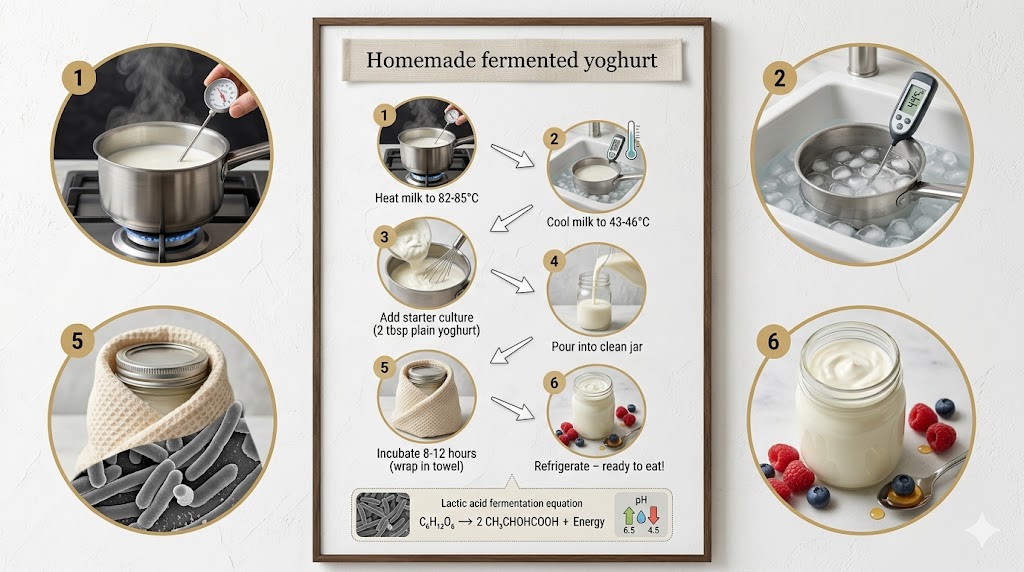
Fermentation is a natural process where microorganisms (bacteria, yeast) break down organic substances. In yoghurt-making, Lactobacillus bulgaricus and Streptococcus thermophilus bacteria consume lactose (milk sugar) and produce lactic acid. The lactic acid causes milk proteins (casein) to coagulate, turning liquid milk into thick, creamy yoghurt.
C₆H₁₂O₆ (Lactose/Glucose) → 2 CH₃CHOHCOOH (Lactic Acid) + Energy
- 🥛 1 litre fresh milk (any type: cow, goat, or UHT/long-life milk)
- 🥄 2 tablespoons plain yoghurt with live cultures (starter culture) – buy small cup of plain, unsweetened yoghurt from shop
- 🍯 Sugar or honey (optional, for taste – 2 tablespoons)
- 🔥 Saucepan – for heating milk
- 🌡️ Thermometer (kitchen or candy thermometer) – OR use finger test (warm, not burning)
- 🧴 Clean glass jar with lid (1 litre capacity)
- 🧣 Towel or blanket – to keep yoghurt warm during fermentation
- 📊 pH strips (optional) – to measure acidity change
- 📸 Phone/camera – to document each step
💰 Total cost: 100-200 KES (milk and starter yoghurt). Equipment from home.
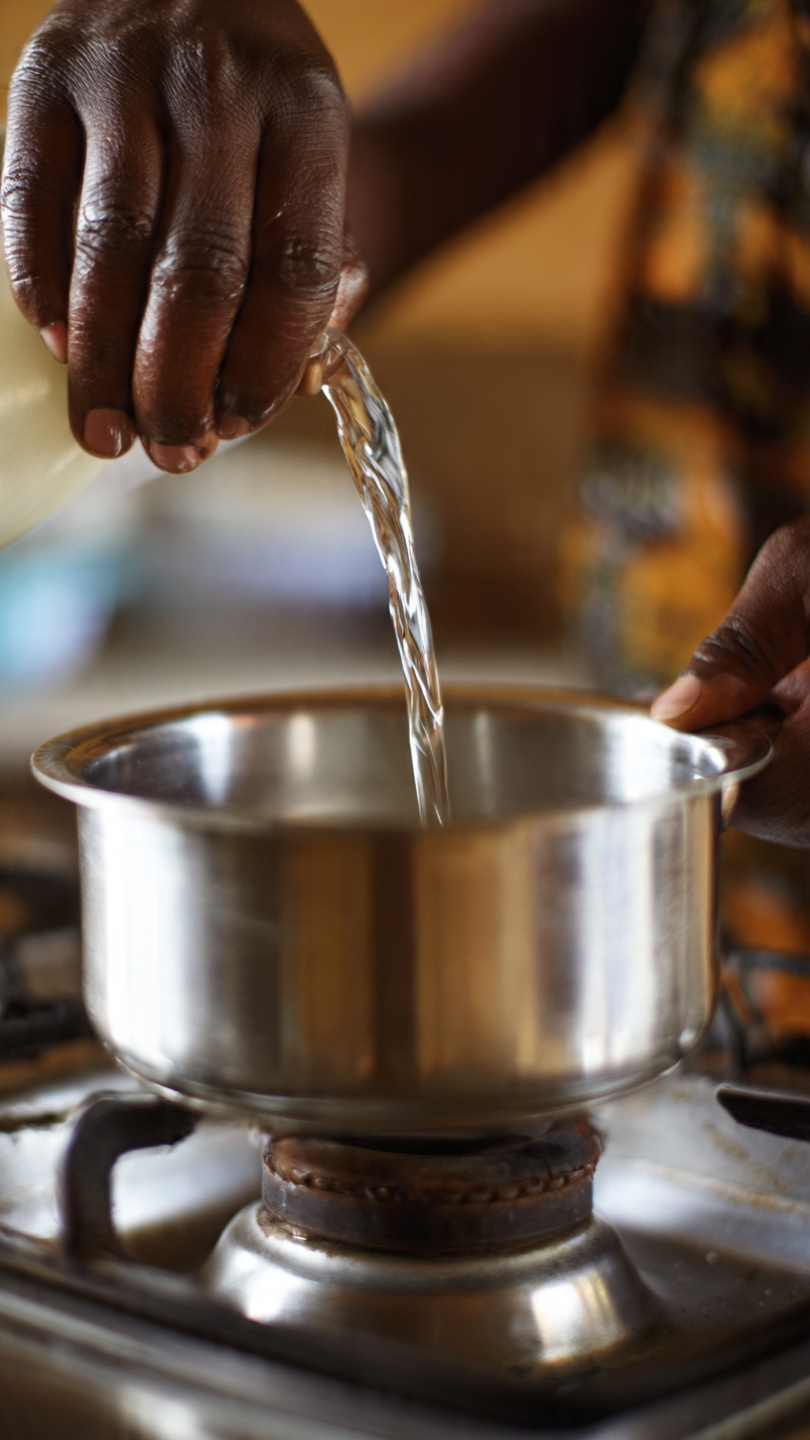
Pour 1 litre of milk into a clean saucepan. Heat over medium heat until it reaches 82-85°C (just below boiling) or until small bubbles appear around the edge. Stir occasionally to prevent scorching.
🔥 Heating kills unwanted bacteria and changes milk proteins for better yoghurt texture.
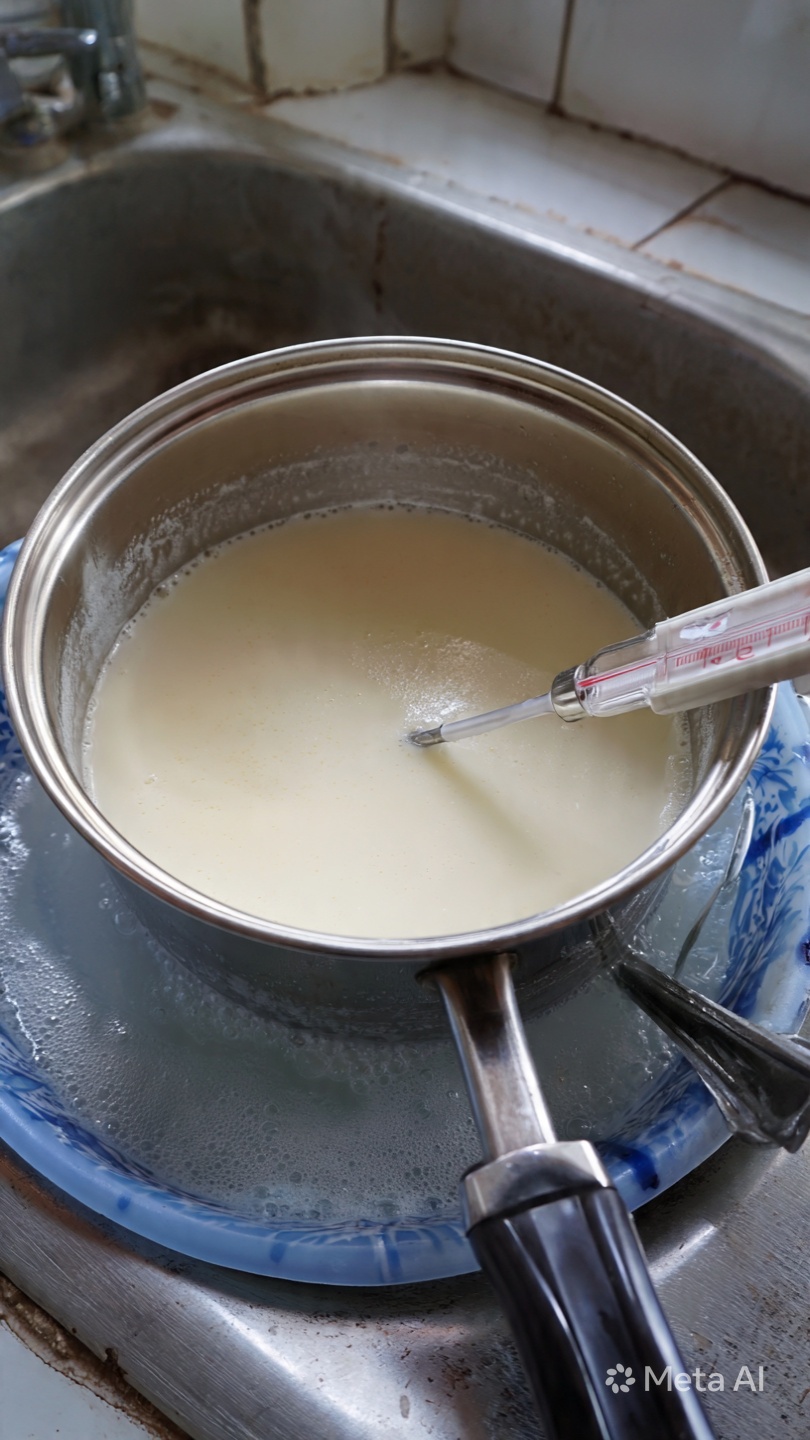
Remove the saucepan from heat. Let milk cool to 43-46°C (110-115°F). It should feel warm but not too hot to hold your finger in for 10 seconds. Hotter than 50°C will kill the bacteria!
🌡️ Tip: Place saucepan in a sink of cool water to speed cooling.
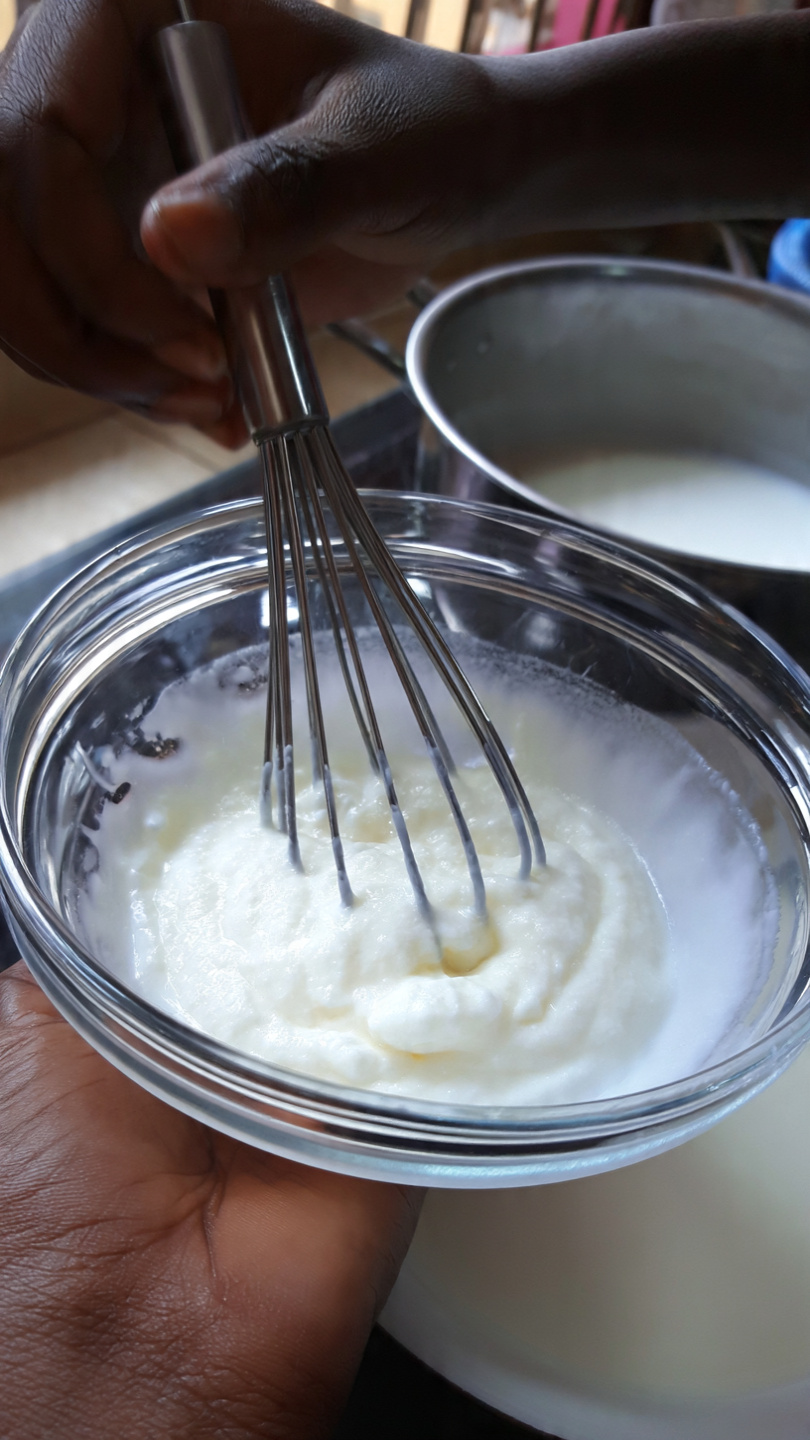
In a small bowl, mix 2 tablespoons of plain yoghurt (from shop or previous batch) with a little warm milk to make a smooth paste. Pour this mixture back into the saucepan and whisk gently to combine.
🥄 The starter contains live Lactobacillus and Streptococcus bacteria
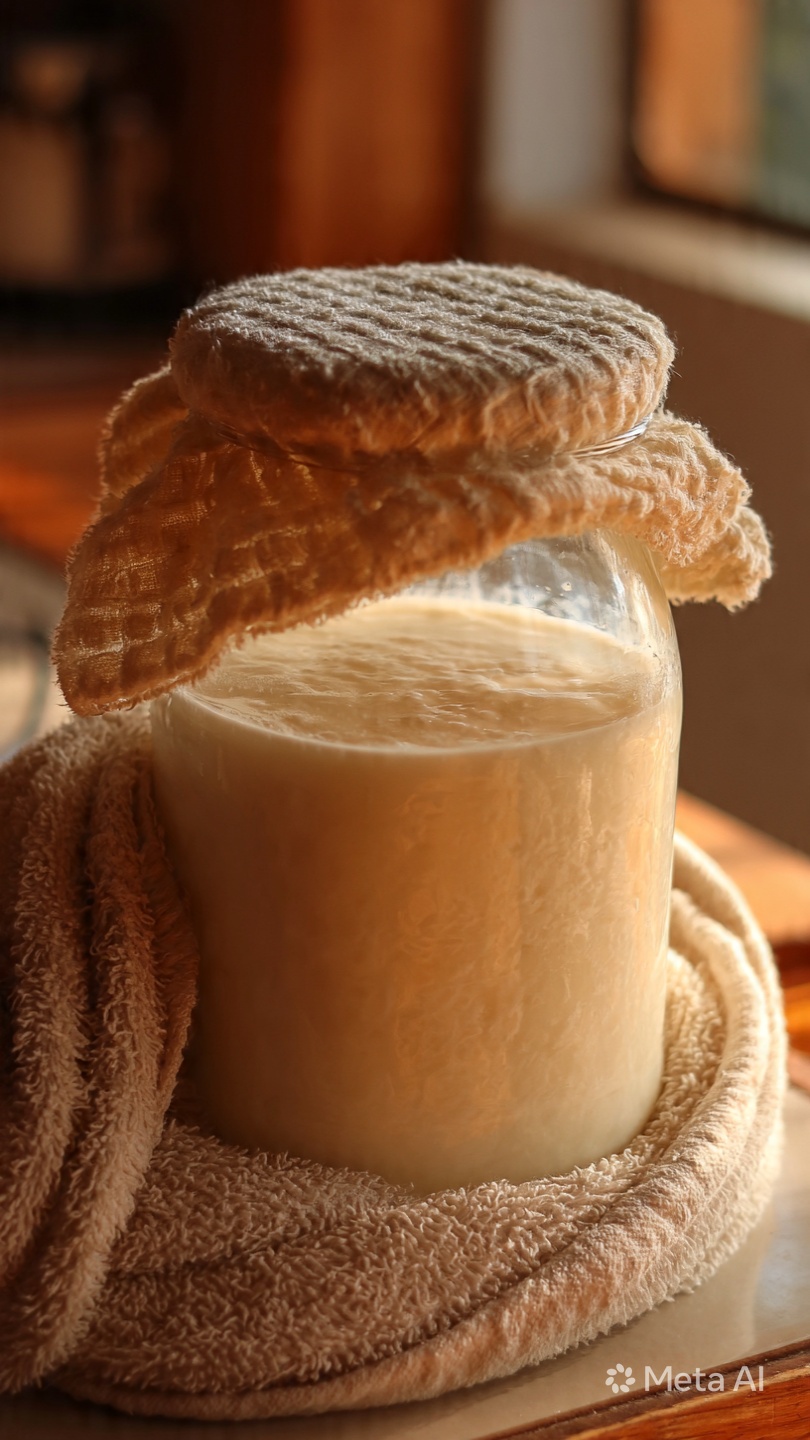
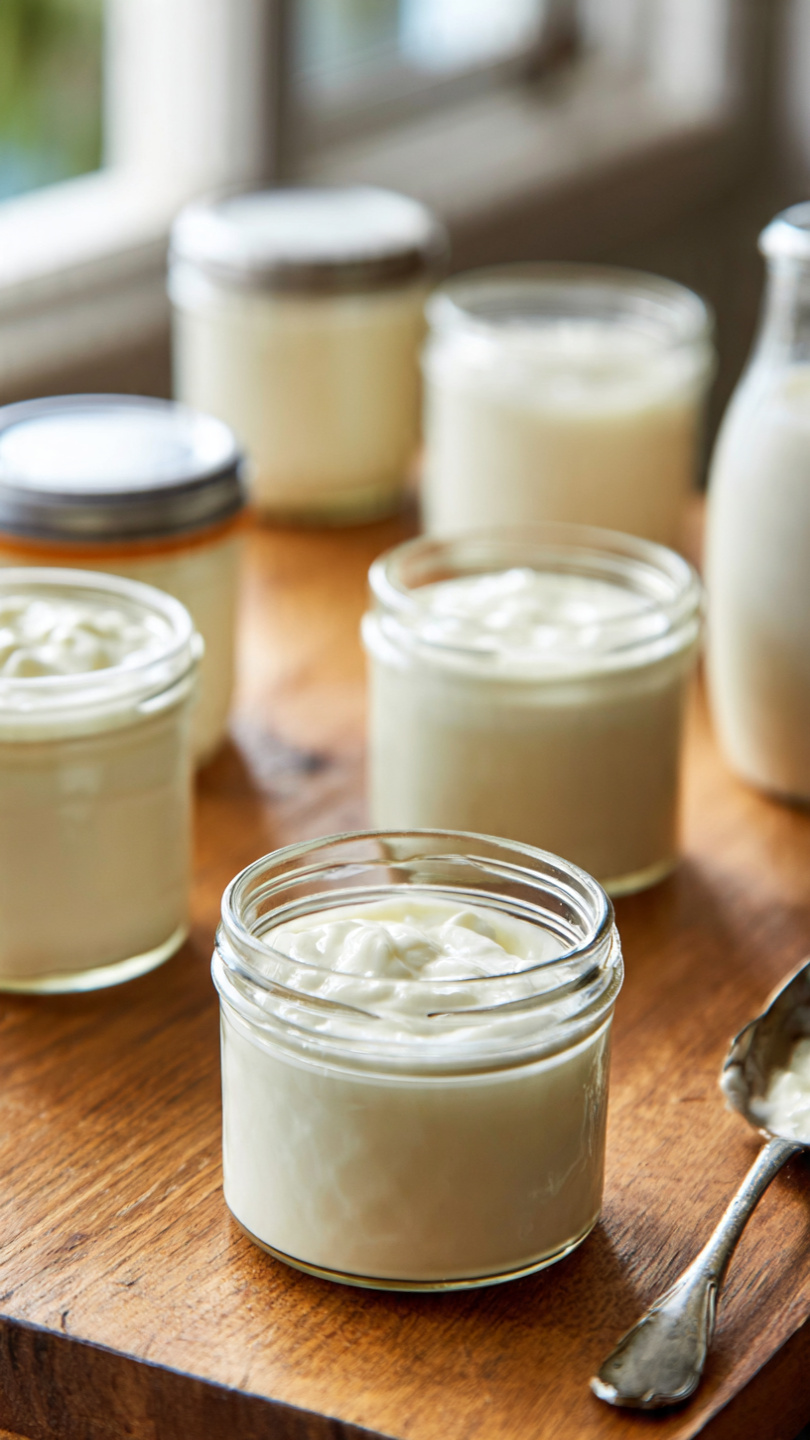
Pour the inoculated milk into a clean glass jar. Cover with a lid (not too tight). Wrap the jar in a towel or blanket to keep it warm. Place in a warm spot (oven with light on, warm cupboard, or insulated box). Leave undisturbed for 8-12 hours.
🧣 The bacteria need warmth (40-45°C) to multiply and convert lactose into lactic acid.
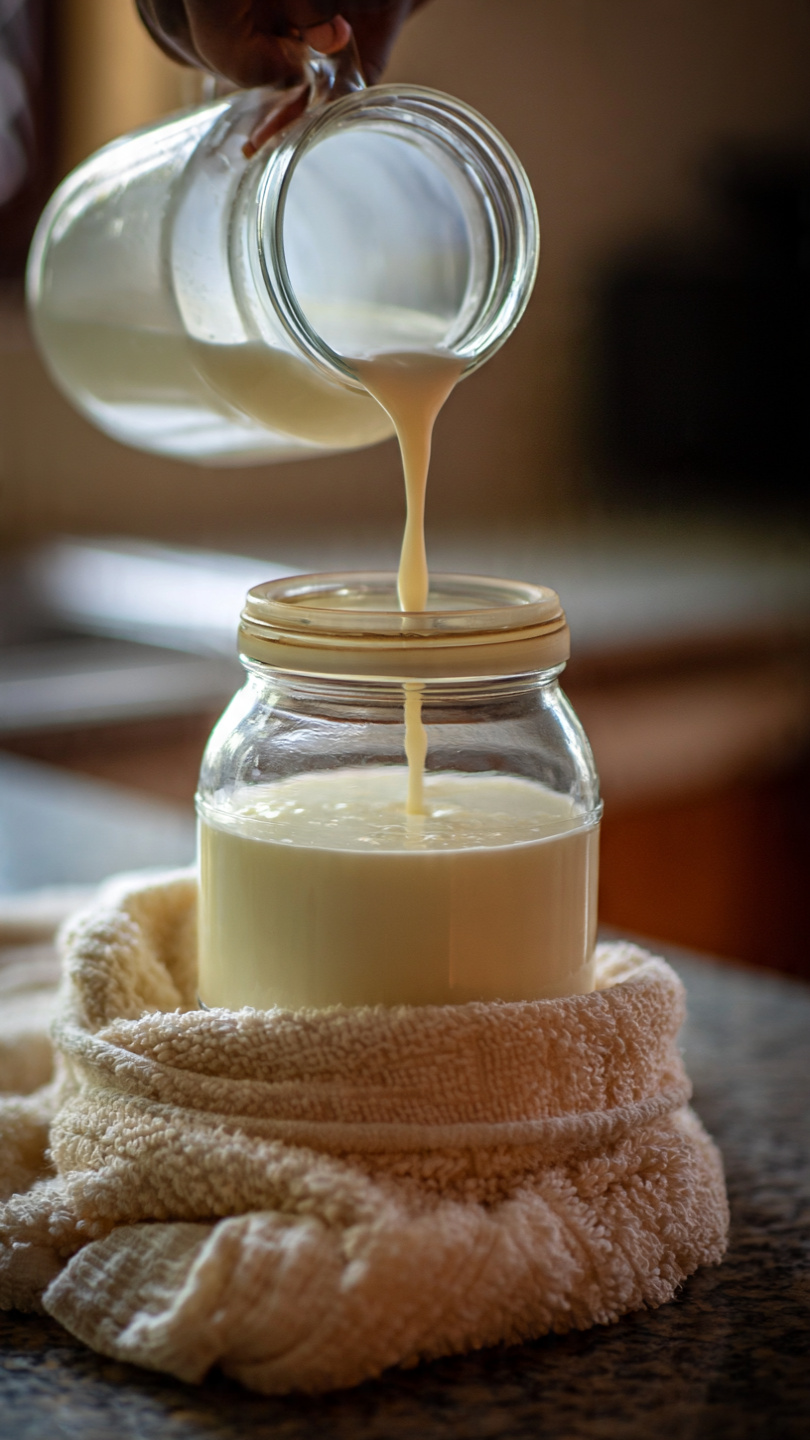
After 8 hours, check the yoghurt. Gently tilt the jar – the yoghurt should be thick and not flow like liquid. If still runny, leave for another 2-4 hours. When set, refrigerate for at least 2 hours to stop fermentation.
❄️ Longer fermentation = tangier taste (more lactic acid).
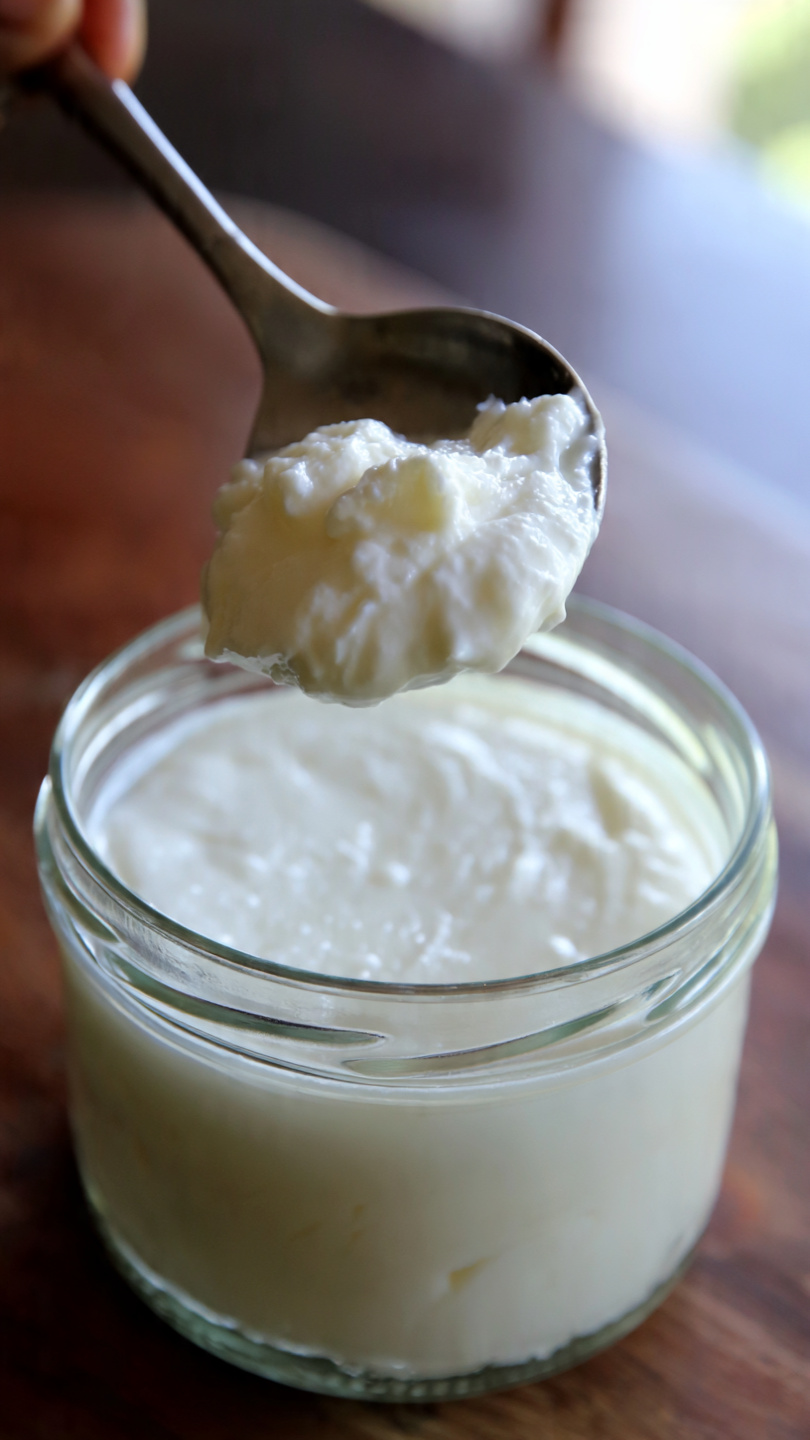
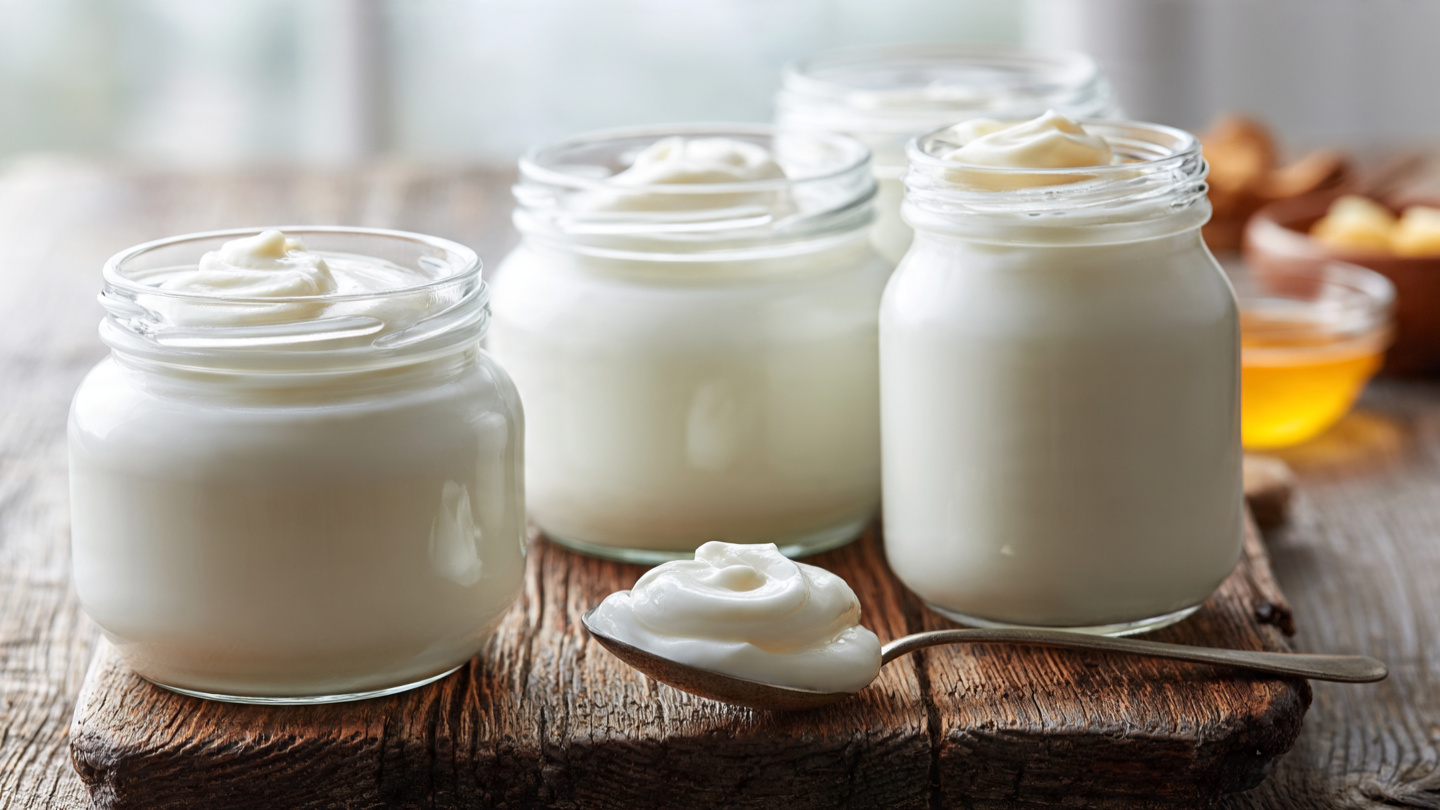
Your homemade yoghurt is ready! Add sugar, honey, fruit, or granola. Reserve 2 tablespoons as a starter for your next batch. Homemade yoghurt keeps in the fridge for 7-10 days.
🍯 Each batch can be used to make the next batch – infinite yoghurt!
Record observations every 2 hours during fermentation (or at start, middle, and end).
| Time (hours) | Temperature (°C) - optional | Appearance (liquid / thickening / set) | Smell (milky / tangy / sour) | pH (if testing) |
|---|---|---|---|---|
| 0 (start) | _______ | Liquid milk | Sweet, milky | ~6.5 |
| 2 hours | _______ | _______ | _______ | _______ |
| 4 hours | _______ | _______ | _______ | _______ |
| 6 hours | _______ | _______ | _______ | _______ |
| 8 hours | _______ | _______ | _______ | _______ |
| 10 hours | _______ | _______ | _______ | _______ |
| 12 hours (end) | _______ | Set / Thick | Tangy | ~4.5 |
🧫 The Science: What's Happening Inside the Jar
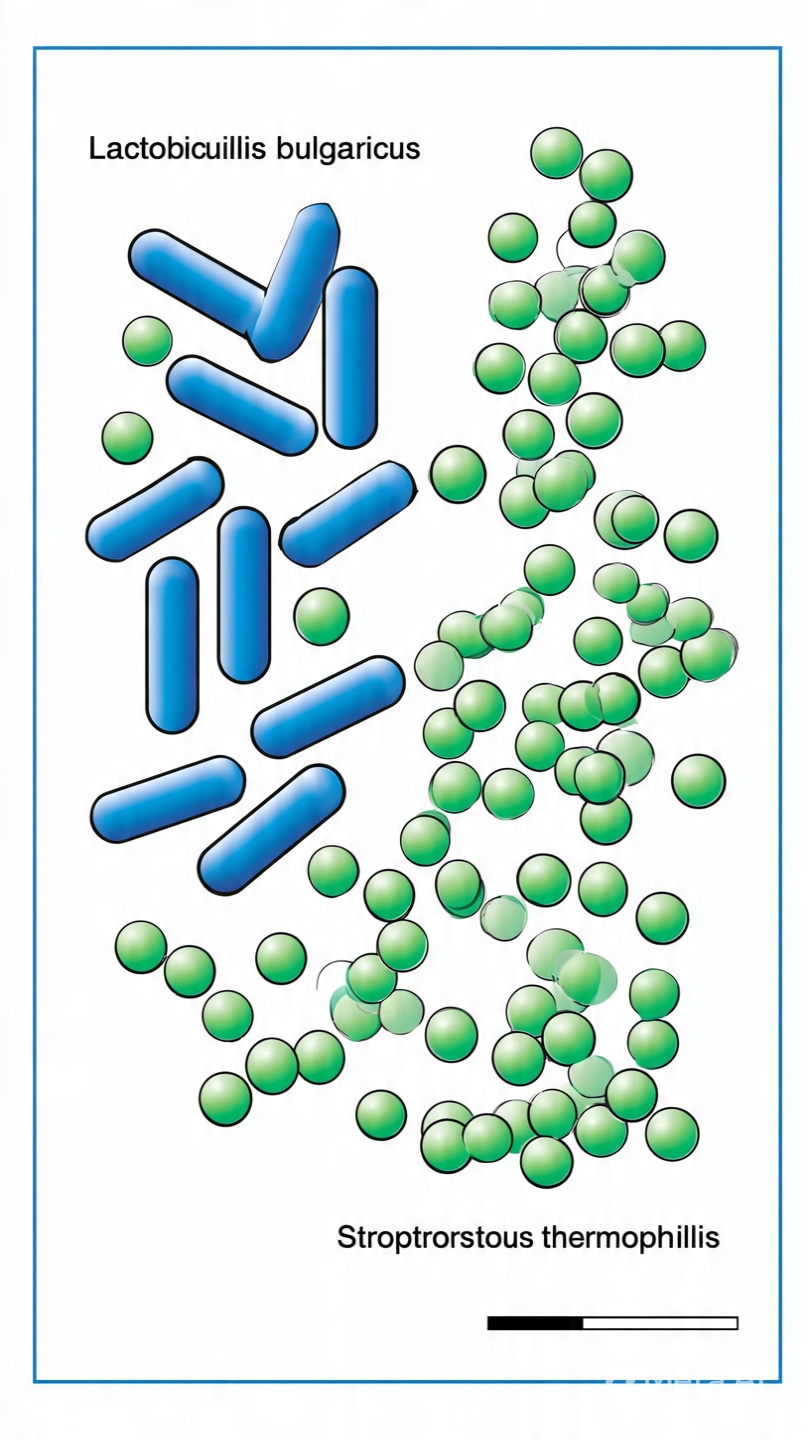
The starter bacteria are dormant in the cold yoghurt. When added to warm milk, they wake up and begin multiplying. They start consuming lactose (milk sugar).

Bacteria convert lactose into lactic acid. The pH drops from ~6.5 (neutral) to ~4.5 (acidic). As acidity increases, milk proteins (casein) begin to coagulate – the milk thickens. This is fermentation!

Once enough lactic acid accumulates, the yoghurt sets into a semi-solid gel. The longer fermentation continues, the tangier the taste (more acid). Refrigeration slows bacteria down, stopping further acid production.
If you have pH strips, test the yoghurt at different stages:
- Fresh milk: pH ~6.5-6.7 (neutral to slightly acidic)
- After 4 hours fermentation: pH ~5.5-6.0 (slightly acidic – milk still liquid)
- After 8 hours fermentation: pH ~4.8-5.2 (set yoghurt)
- After 12 hours fermentation: pH ~4.0-4.5 (tangy, fully set)
- Store-bought yoghurt: pH ~4.2-4.5
- Still liquid after 12 hours: Temperature was too low during incubation. Bacteria need 40-45°C to work. Try a warmer spot next time.
- Watery / separated (whey on top): Normal! Stir it back in, or strain through cloth to make Greek yoghurt.
- Smells yeasty or off: Contamination by wild yeast or unwanted bacteria. Discard and start again with cleaner equipment.
- Bitter taste: Fermented too long (over 14-16 hours) or temperature was too high. Next time, refrigerate earlier.
- Milk didn't heat properly: Not heating to 82-85°C prevents proper protein denaturation – yoghurt will be runny.
- Used flavoured yoghurt as starter: Flavoured yoghurts may contain sugar and additives that interfere with fermentation. Use plain, unsweetened yoghurt.
| Aspect | Homemade Yoghurt | Store-Bought Yoghurt |
|---|---|---|
| Probiotic bacteria | Live and active (if not overheated) | Varies – some are pasteurised after fermentation |
| Sugar content | You control – no added sugar unless you add it | Often has added sugar or artificial sweeteners |
| Cost | 30-50 KES per litre | 150-300 KES per litre |
| Additives | None – just milk and bacteria | Often contains thickeners (gelatin, pectin, modified starch) |
| Shelf life | 7-10 days refrigerated | 2-4 weeks (preservatives) |
| Taste control | Adjust tanginess by fermentation time | Fixed taste profile |
- Make Greek yoghurt: Strain your yoghurt through a clean cloth for 2-4 hours to remove whey. Weigh before and after – calculate % weight loss.
- Test different milks: Try cow, goat, UHT, or plant-based milk (soy, coconut). Which works best? Why?
- Incubation temperature experiment: Make 3 small batches at different temperatures (room temp ~25°C, warm ~40°C, hot ~55°C). Compare setting time and taste.
- Microscope observation (school lab): Stain a drop of yoghurt with methylene blue and observe Lactobacillus bacteria under microscope (rod-shaped).
- Research traditional fermented milks in Kenya: Mursik (Kalenjin), Amabere amaruranu (Kisii), or Kule naoto (Maasai). Compare to yoghurt.
| Criteria | Exceeds (5) | Meets (4) | Approaching (3) | Below (2-1) |
|---|---|---|---|---|
| Procedure & Hygiene | All equipment sterile. Milk heated to correct temperature (82-85°C). Cooled to 43-46°C. Starter added correctly. Incubation temperature maintained (40-45°C).}, | Equipment clean. Temperatures approximately correct. Incubation warm enough.}, | Some hygiene issues OR temperature significantly off.}, | Poor hygiene or temperatures completely wrong – yoghurt failed.}, |
| Fermentation Results}, | Yoghurt well-set, creamy texture, pleasant tangy smell. No separation or off-odours. pH confirmed below 5.0.}, | Yoghurt set but slightly runny OR minor separation. Acceptable taste.}, | Yoghurt partially set or watery. Off-smell.}, | Yoghurt failed completely (liquid, spoiled).}, |
| Scientific Understanding}, | Explains lactic acid fermentation equation (lactose to lactic acid). Describes role of Lactobacillus and Streptococcus. Explains pH change and protein coagulation. Identifies real-world applications.}, | Explains basic fermentation process. Mentions bacteria produce acid.}, | Partial explanation. Cannot explain chemistry.}, | No scientific explanation.}, |
| Documentation & Analysis}, | Complete fermentation log with hour-by-hour observations (appearance, smell, taste). pH measurements recorded. Photos of each step. Written conclusion.}, | Observation log with start and end notes. Some photos. Basic conclusion.}, | Incomplete log. Missing photos.}, | No documentation.}, |
- Measure and record pH every 2 hours using pH strips – create a pH vs time graph
- Make a second batch using your homemade yoghurt as starter – demonstrate that bacteria remain alive
- Research the health benefits of probiotics – write a one-page summary
- Test the effect of sugar addition – add 2 tablespoons sugar to one batch, none to another. Compare thickness and taste
- Investigate traditional fermented milk products in your community – interview an elder and write a report
- Probiotics: Live beneficial bacteria that improve gut health and digestion
- Lactose-free friendly: The bacteria consume most lactose, making yoghurt easier to digest for lactose-intolerant people
- Calcium and protein: Same nutrition as milk, but more digestible
- Boosts immunity: Regular probiotic consumption may reduce infections
- Preservation: Fermentation preserves milk without refrigeration (traditional method)
- No added chemicals: Homemade yoghurt has no preservatives, thickeners, or artificial sweeteners
Where Fermentation Knowledge Leads
Fermentation is used in many Kenyan industries. Companies like Brookside Dairies, Sameer Agriculture & Livestock, KCC (Kenya Cooperative Creameries), and Happy Cow produce yoghurt, cheese, and fermented milk products. Food scientists and dairy technologists earn 40,000-80,000 KES/month. Quality control analysts test products for safety and consistency. The growing interest in probiotics and gut health means more jobs in research and product development. This project is your first step into food science!

Print or Save as PDF
Take this guide to your kitchen. Record your fermentation observations in the log table.