 '">
'">
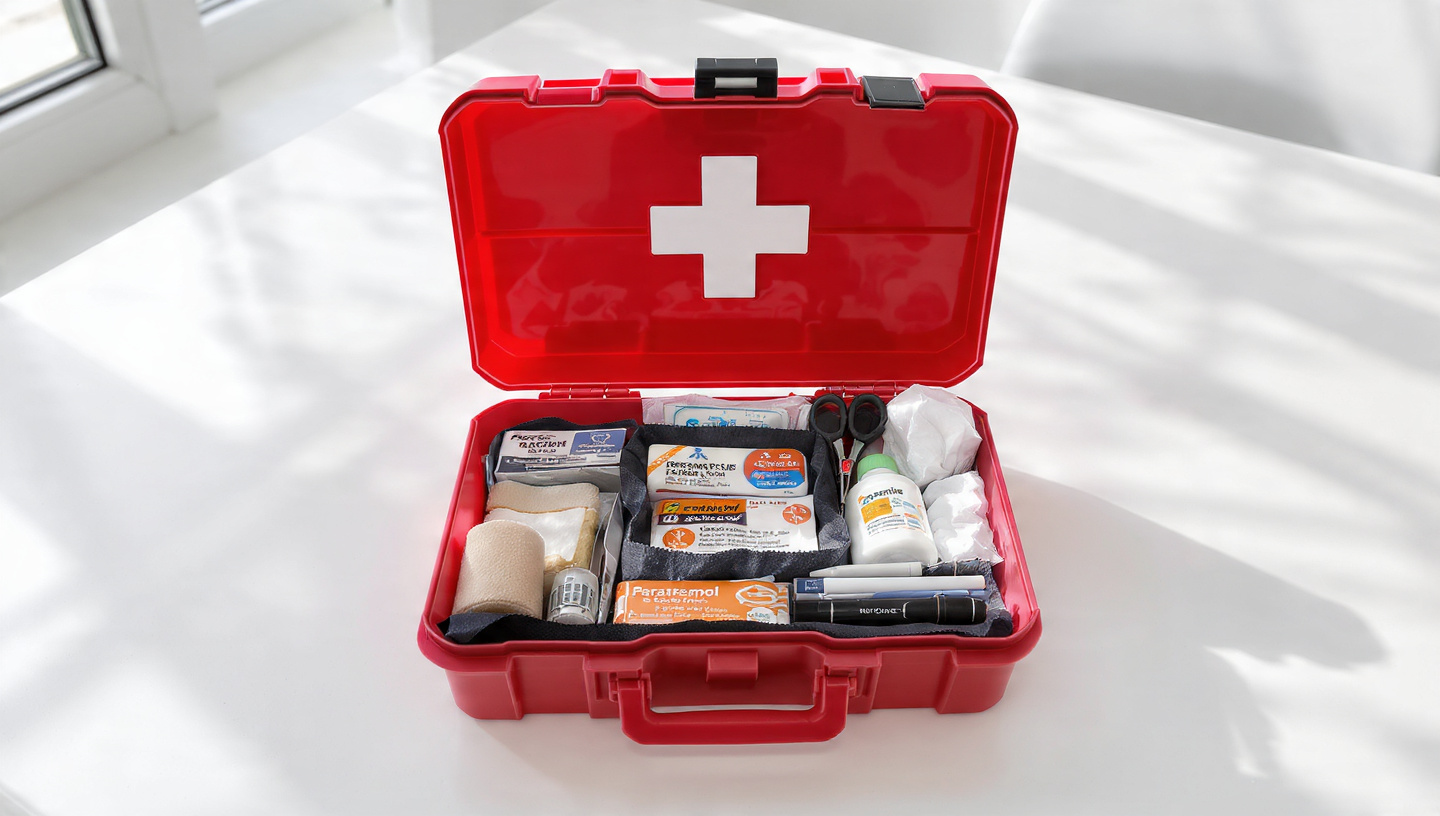
Every year, thousands of Kenyans die or suffer permanent injury because no one nearby knew basic first aid. A child choking on food, a parent with a deep cut, a grandparent who falls – in these situations, the first few minutes are critical. You don't need to be a doctor to save a life. With basic first aid knowledge and a well-stocked kit, YOU can make the difference between life and death. This project teaches you exactly what you need to know.
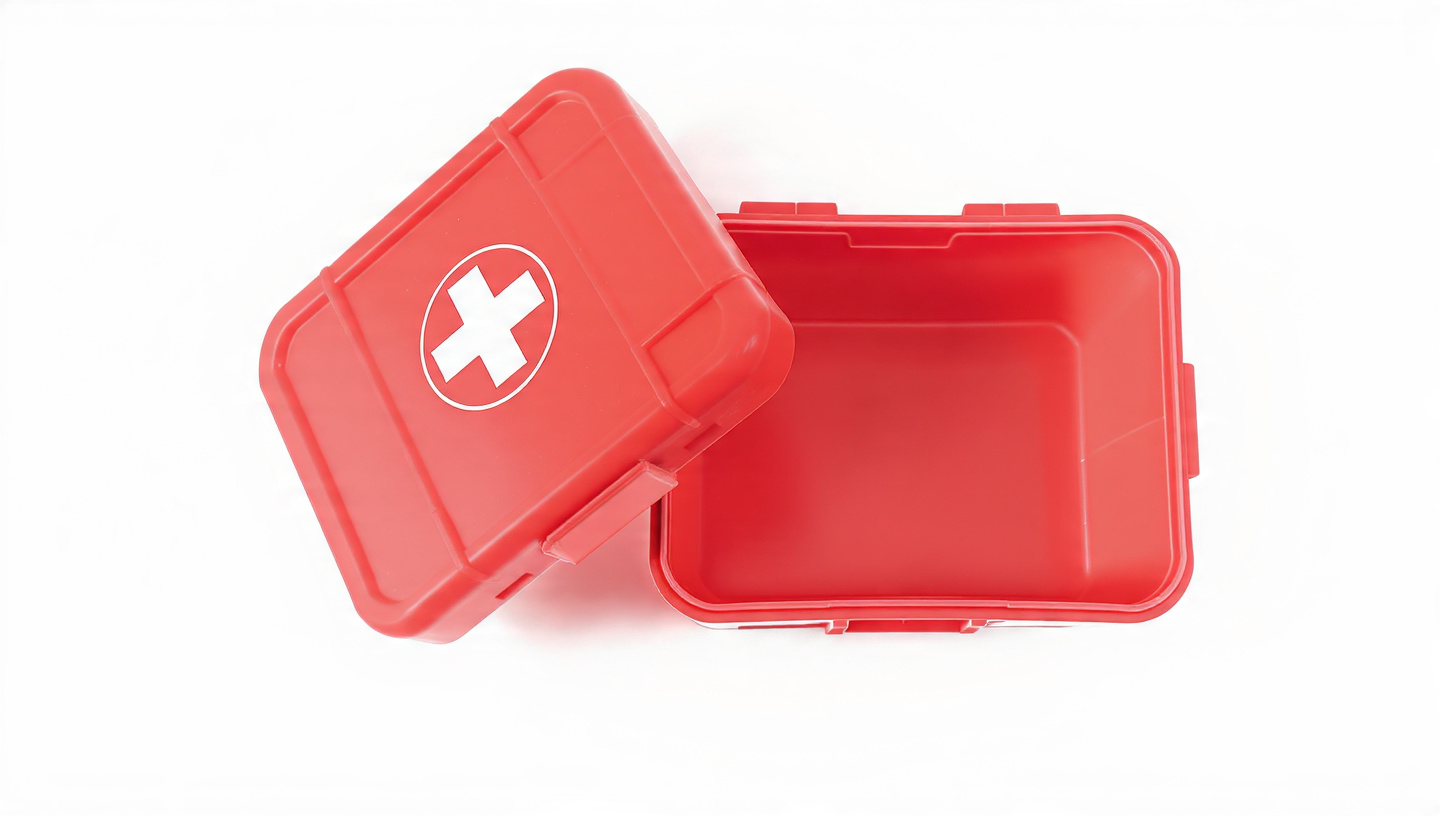
Use a clean shoebox, small bag, or plastic container as your kit box. Most supplies are already in your home.
 '">
'">
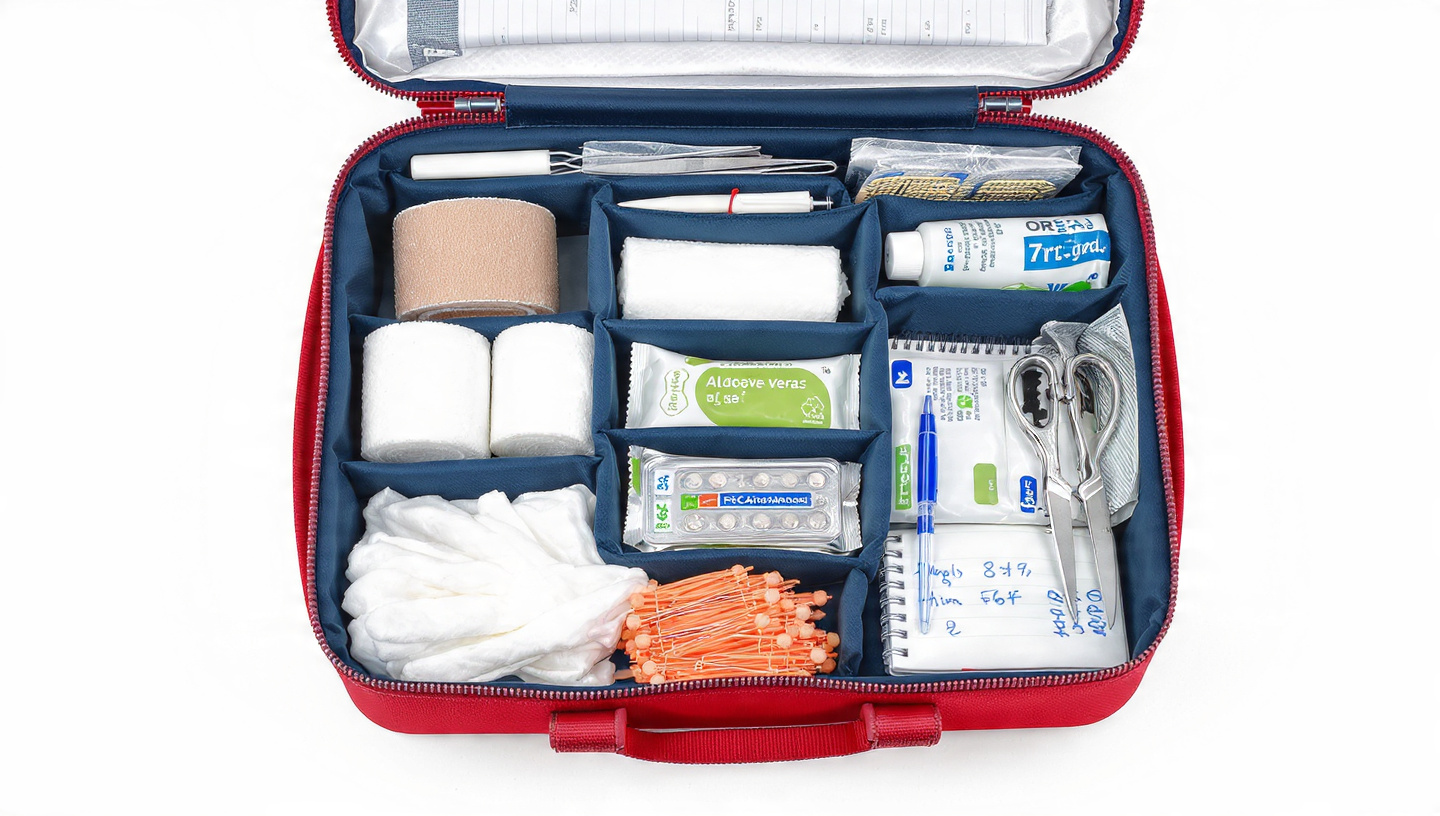
🩸 Wound Care & Bleeding Control
- Adhesive bandages (plasters) - various sizes
- Gauze pads / sterile cloth
- Roll bandage or clean cloth strips
- Medical tape or masking tape
- Antiseptic solution (Dettol, hydrogen peroxide, or salt water)
- Cotton wool
🔥 Burn & Injury Care
- Burn gel or aloe vera gel (from garden!)
- Cold pack or ice in a cloth
- Tweezers
- Scissors
💊 Medications
- Pain relievers (paracetamol)
- Antihistamine (for allergies)
- Oral rehydration salts (ORS)
- Calamine lotion
🛠️ Tools & Supplies
- Disposable gloves
- Safety pins
- Small flashlight
- Pen and notebook
- Emergency contact numbers (written!)
 '">
'">
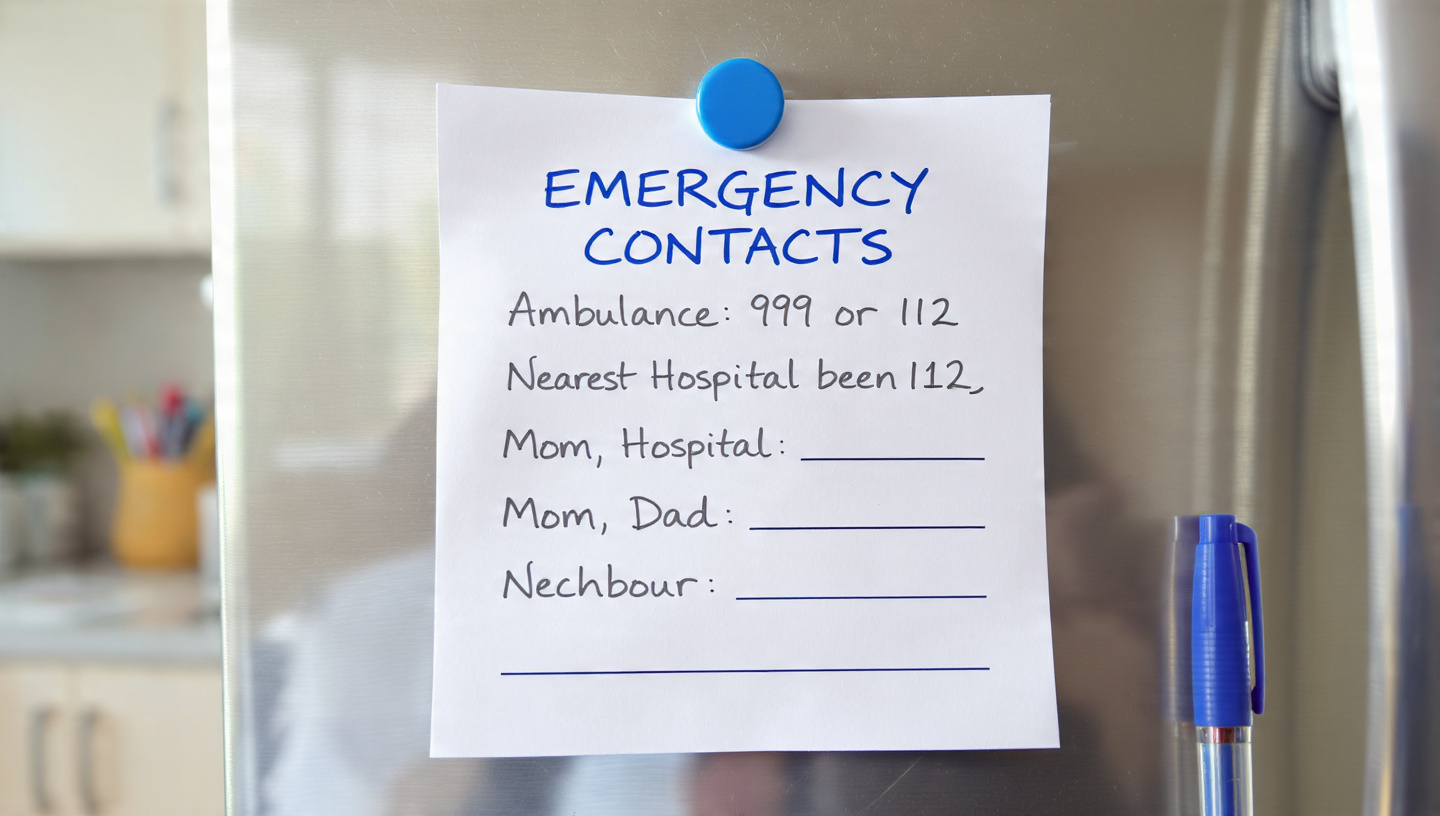
📞 Step 1: Emergency Contacts
- Ambulance (Kenya): 999 or 112
- Nearest hospital: _________________
- Parent/Guardian 1: _________________
- Parent/Guardian 2: _________________
- Neighbour: _________________
 '">
'">
🚨 Step 2: Emergency Response Flow
When calling: Stay calm. Give YOUR LOCATION, WHAT HAPPENED, HOW MANY INJURED, WHAT YOU HAVE DONE.
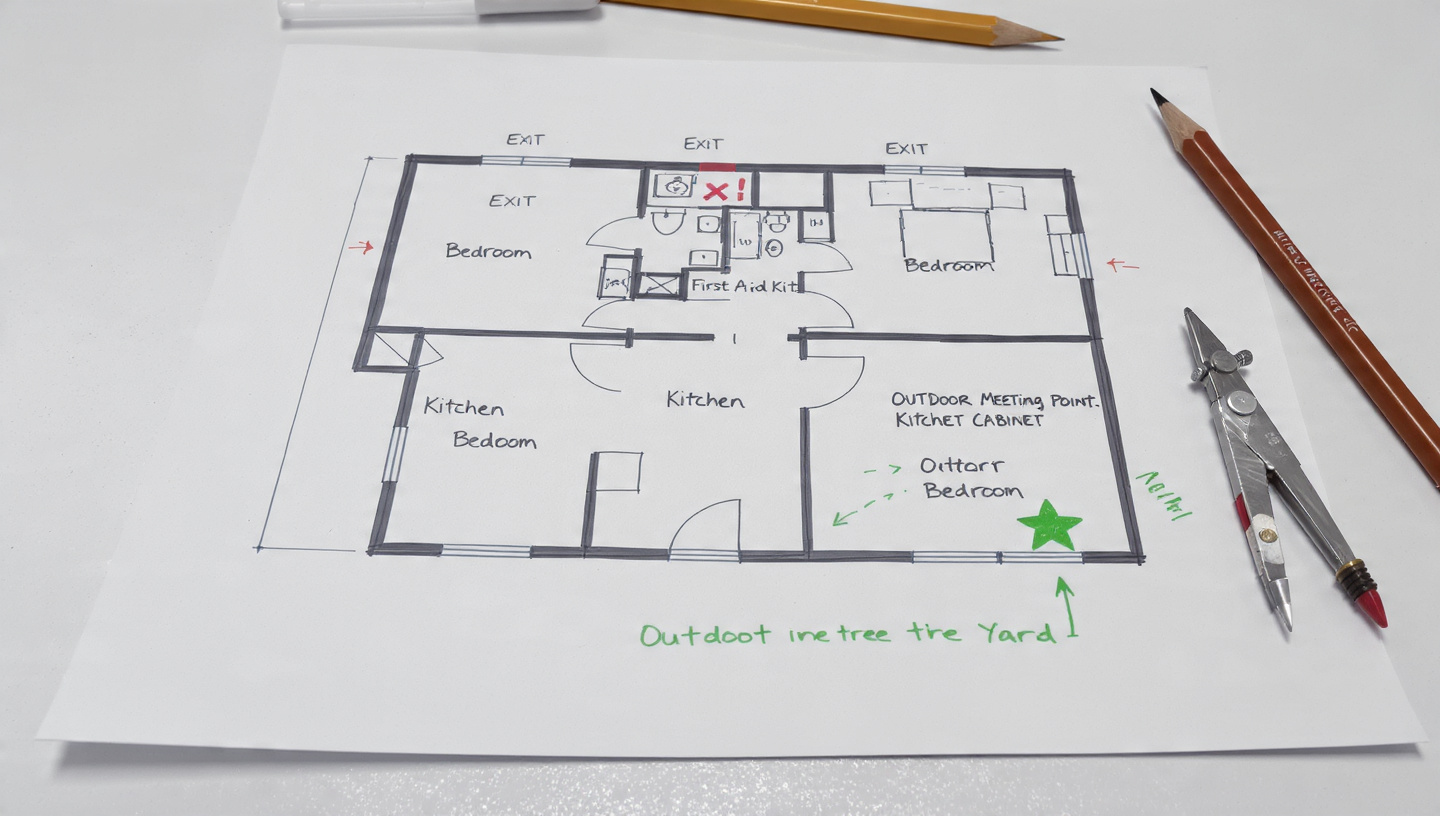
🗺️ Step 3: Map Your Emergency Exits
Draw a simple floor plan of your home. Mark exits, first aid kit location, and meeting point.
 '">
'">
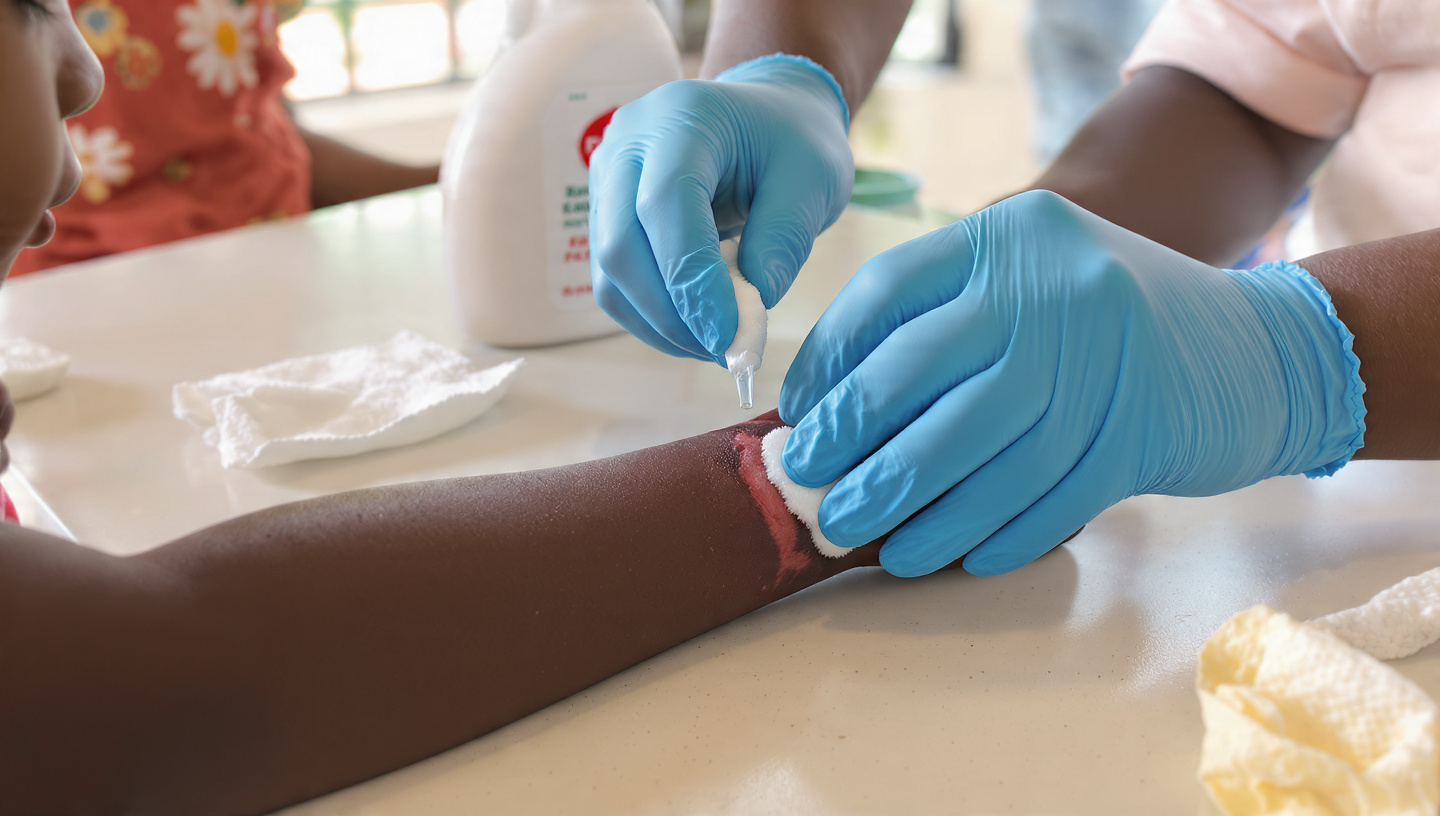
1. Cleaning and Dressing a Wound
- Put on disposable gloves (or wash hands)
- Rinse wound with clean water
- Apply antiseptic around the wound
- Place sterile gauze pad over wound
- Wrap bandage to hold gauze
 '">
'">
2. Treating a Burn
- Run cool water over burn for 10-15 minutes
- Do NOT apply ice, butter, or oil
- Apply aloe vera or burn gel
- Cover loosely with clean cloth
 '">
'">
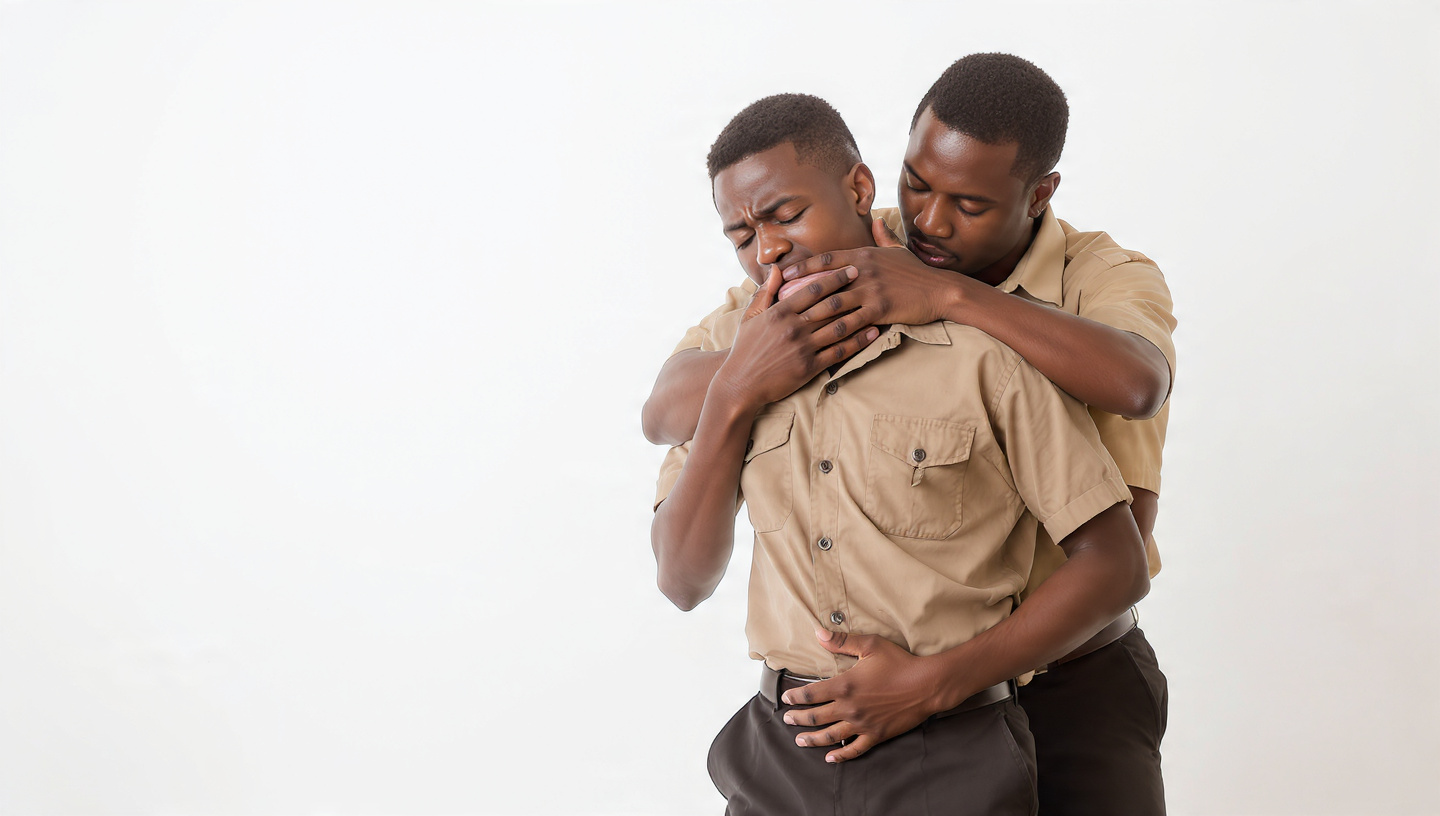
3. Choking (Heimlich Maneuver)
- Ask "Are you choking?" If no sound, act fast
- Stand behind, wrap arms around waist
- Make fist above belly button
- Pull inward and upward sharply (5 times)
 '">
'">
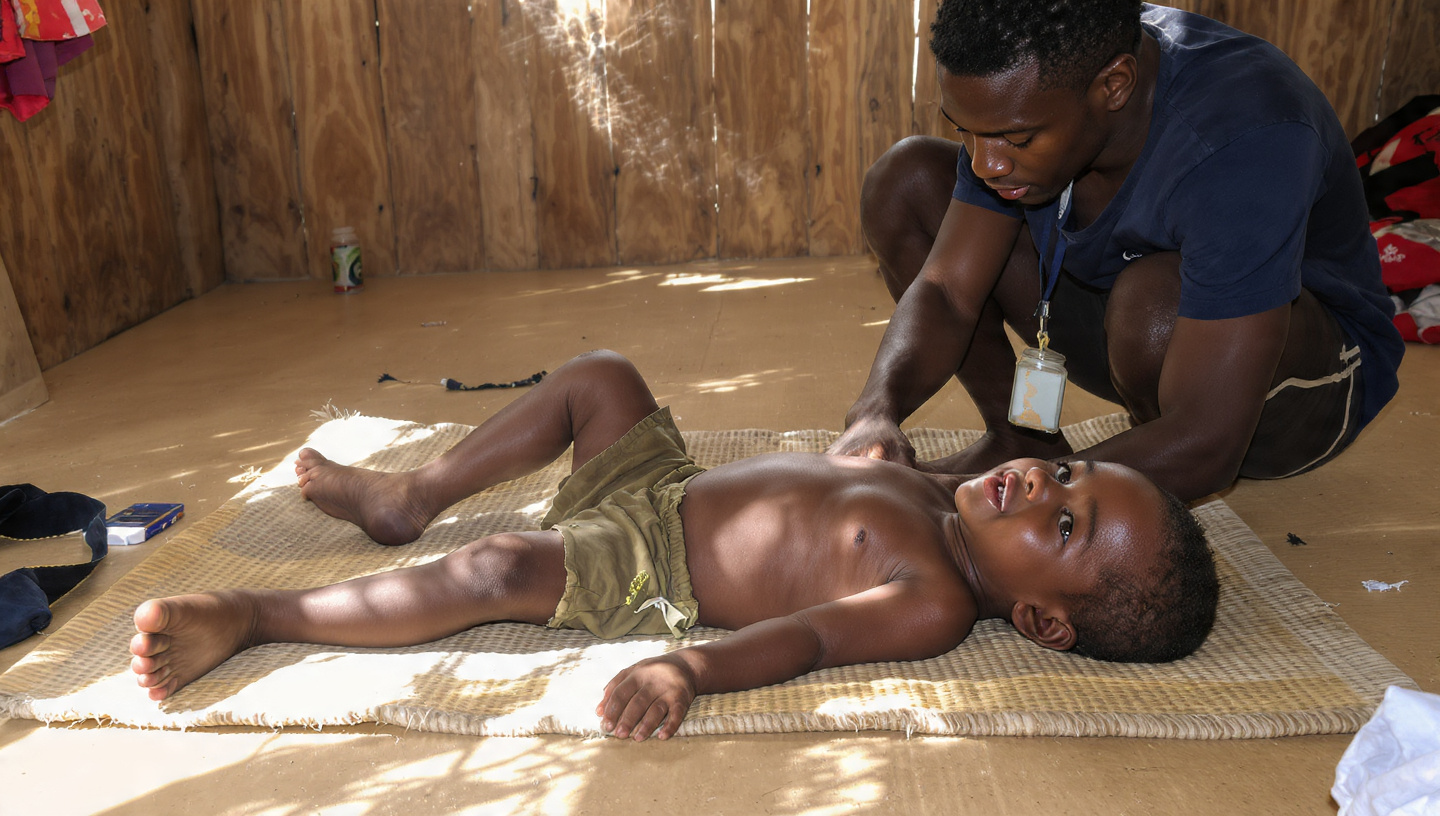
4. Recovery Position (Unconscious but Breathing)
- Place nearest arm at right angle
- Bring far arm across chest
- Bend far knee up
- Gently roll person toward you
- Tilt head back to keep airway open
 '">
'">
| Skill | Date Practiced | Practiced On | Confidence (1-5) | Notes |
|---|---|---|---|---|
| Wound cleaning & dressing | _______ | _______ | _______ | _______ |
| Burn treatment | _______ | _______ | _______ | _______ |
| Choking (Heimlich) | _______ | _______ | _______ | _______ |
| Recovery position | _______ | _______ | _______ | _______ |
| Criteria | Exceeds (5) | Meets (4) | Approaching (3) | Below (2-1) |
|---|---|---|---|---|
| First Aid Kit Assembly | 15+ items, organised, labelled, expiry checked | 10-14 items, organised | 6-9 items, disorganised | Fewer than 5 items |
| Emergency Response Plan | Complete plan with contacts, exit map, meeting point, displayed | Plan includes contacts, map, meeting point | Missing 1-2 key elements | No written plan |
| First Aid Skill Demonstration | Demonstrates 4 skills correctly with explanation | Demonstrates 3 skills correctly | Demonstrates 1-2 skills with errors | Cannot demonstrate any skill |
| Documentation | Report with photos, plan, practice log, video | Report with photos and plan | Partial documentation | No documentation |
- Teach a family member how to use the kit and follow the plan
- Write a case study report on a real emergency
- Create a first aid poster for your classroom
- Contact Kenya Red Cross for training – document attendance
- Create a mini first aid kit for your school bag
- 🔪 Cuts from knives: Apply direct pressure, clean, cover with bandage
- 🔥 Burns from hot water/oil: Cool water 10 minutes, cover loosely
- 🌳 Falls from trees: Check consciousness, do NOT move if spine injury possible
- 🐍 Snake bites: Keep victim still, remove tight jewellery, seek help immediately. Do NOT cut or suck venom
- 🍽️ Choking on food: Back blows followed by Heimlich maneuver
- ⚡ Seizures/fits: Clear area, place on side, do NOT put anything in mouth, time it
First aid is the foundation of all medical careers. Kenya Red Cross and St. John Ambulance train thousands yearly. Occupational health and safety careers (factories, hotels, construction) require first aid certification. This is your first step toward healthcare or emergency response.


🖨️ Print or Save as PDF
Take this guide home. Use the checklist and emergency plan template to protect your family.