 '">
'">
Soap making is chemistry you can touch, smell, and use. When you mix oils (fats) with sodium hydroxide (lye), a chemical reaction called saponification occurs. The triglyceride molecules in oils break apart and recombine with lye to form soap molecules (sodium salts of fatty acids) and glycerin.
Fat/Oil (Triglyceride) + Sodium Hydroxide (NaOH) → Soap + Glycerin
- Sodium hydroxide (lye) is HIGHLY CORROSIVE – causes severe chemical burns
- ALWAYS wear safety goggles, rubber gloves, and long sleeves
- ALWAYS add lye to water – NEVER water to lye (causes violent eruption)
- Keep vinegar nearby to neutralize lye spills on skin
- Adult supervision REQUIRED for anyone under 18
🛢️ Oils (locally available)
| Oil Type | Amount | Local Source |
|---|---|---|
| Coconut oil | 500g | Local market (150-200 KES/kg) |
| Palm oil / vegetable shortening | 300g | Local market (120-180 KES/kg) |
| Shea butter (optional) | 100g | Open-air market (300-500 KES/kg) |
| Olive or sunflower oil | 200g | Supermarket (300-400 KES/litre) |
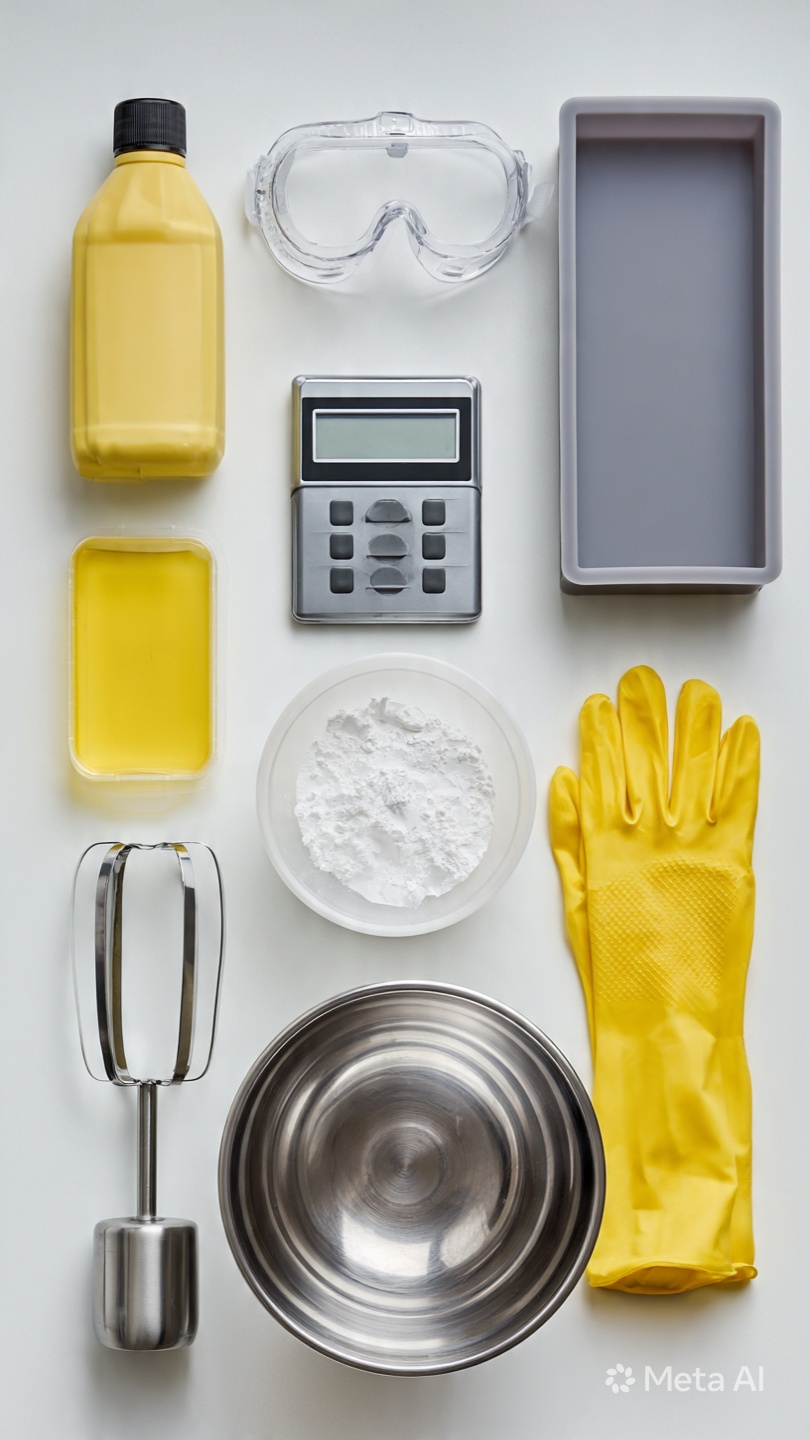
🧪 Lye Solution:
- Sodium hydroxide (caustic soda) - 135g (hardware shop, 200-300 KES/kg)
- Distilled or rain water - 310ml
🛠️ Equipment:
- Stainless steel bowl, kitchen scale, stick blender, safety goggles, rubber gloves, silicone mold
 '">
'">
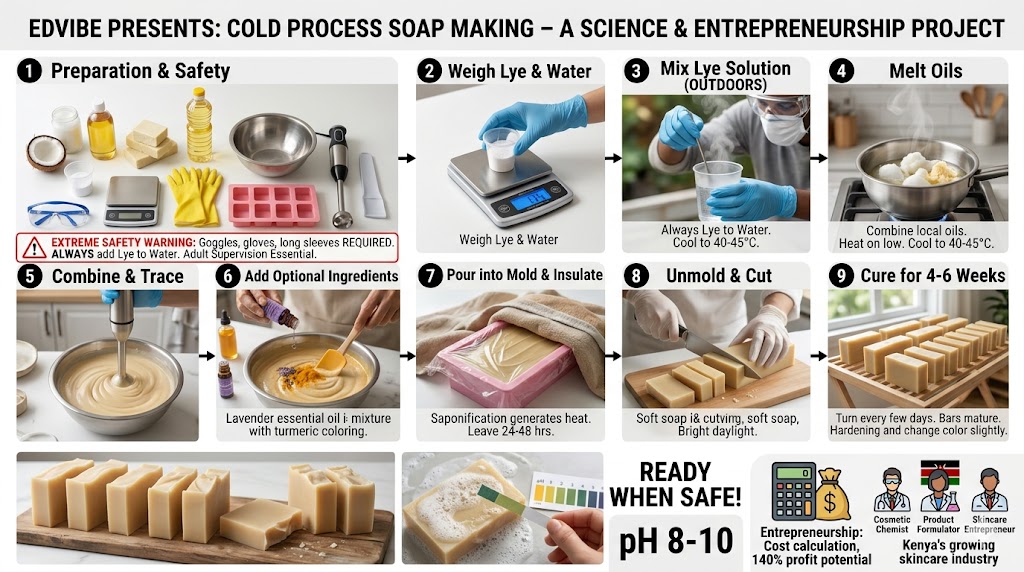
Prepare workspace & safety gear
Cover surface with newspaper. Wear goggles, gloves, long sleeves. Have vinegar ready for spills.
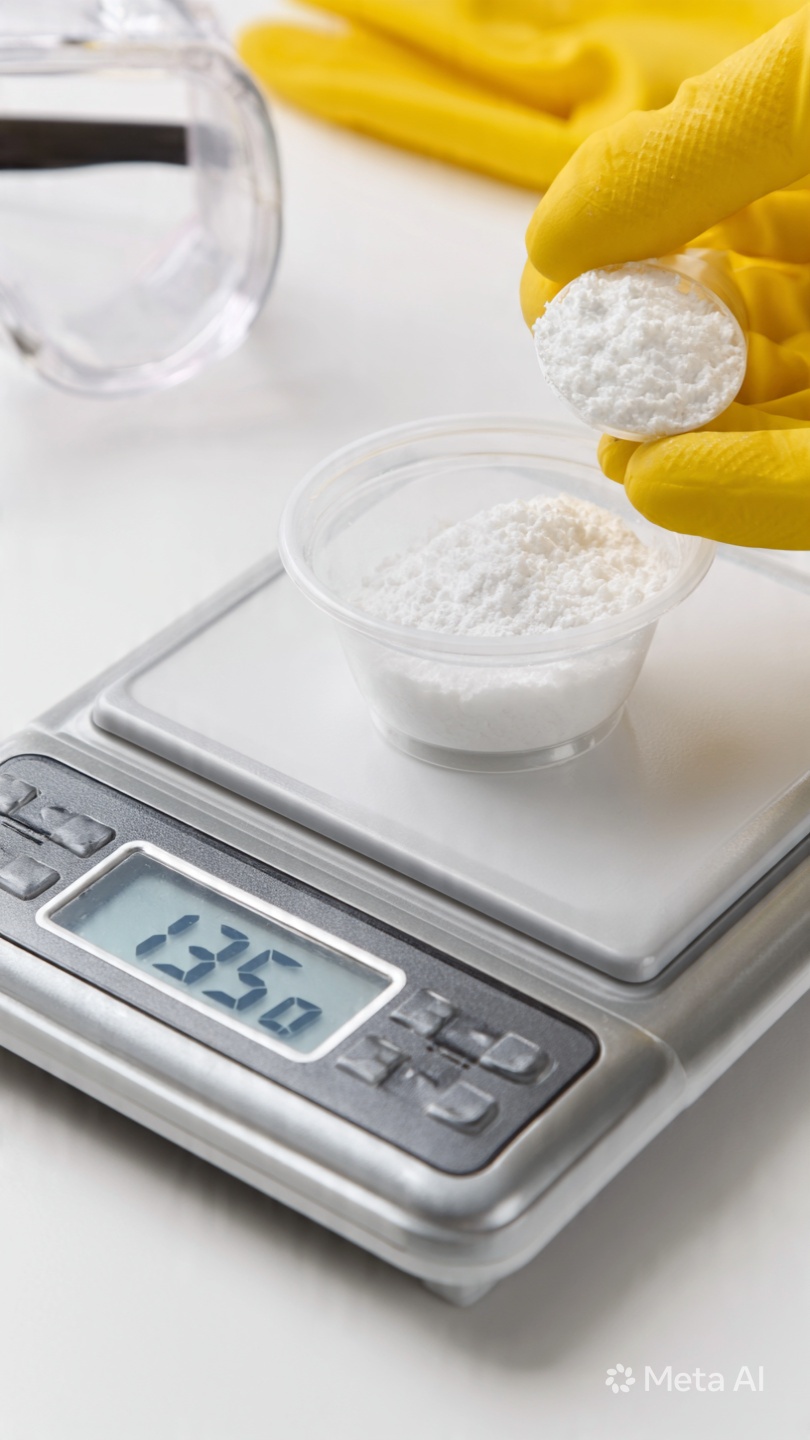
Weigh lye and water
Weigh 135g sodium hydroxide. Weigh 310ml (310g) water.
 '">
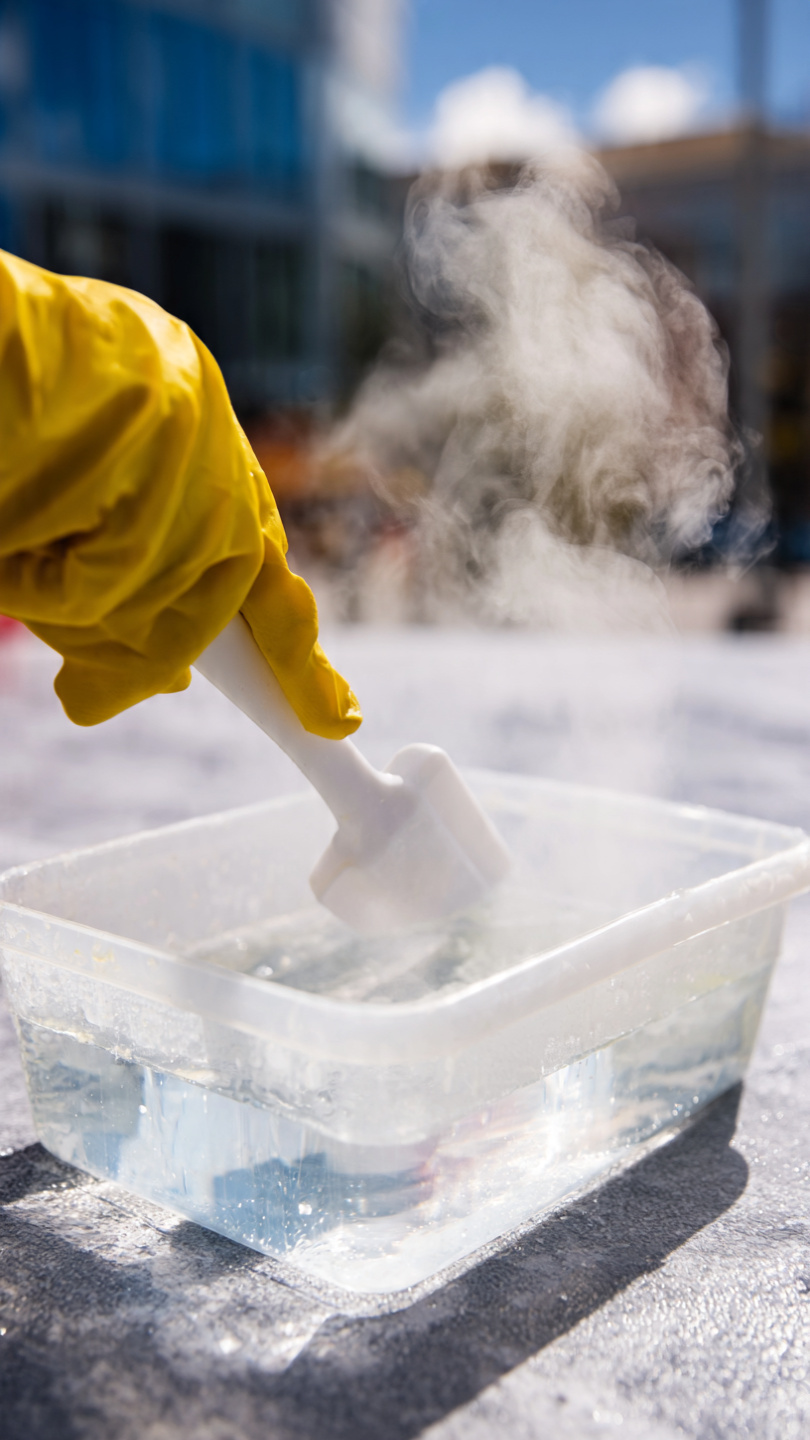
'">Mix lye solution (OUTDOORS)
Slowly pour lye INTO water while stirring. Solution heats to 90°C. Set aside to cool to 40-45°C.
 '">
'">Measure and melt oils
Weigh all oils into stainless steel bowl. Warm until solid oils melt. Cool to 40-45°C.
 '">
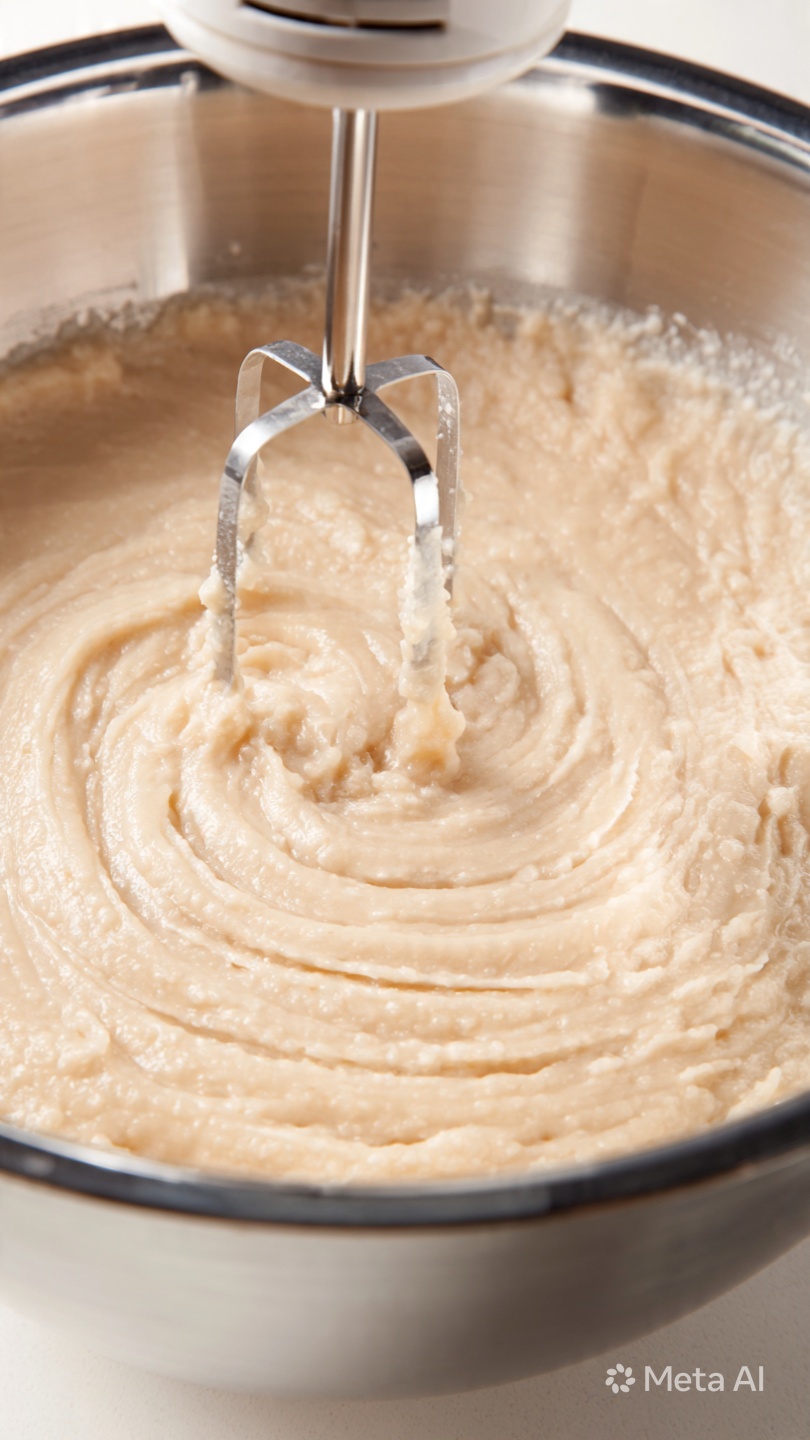
'">Combine lye and oils ("Trace" stage)
Pour lye into oils while blending with stick blender. Blend until mixture leaves a trail on surface (pudding-like).
 '">
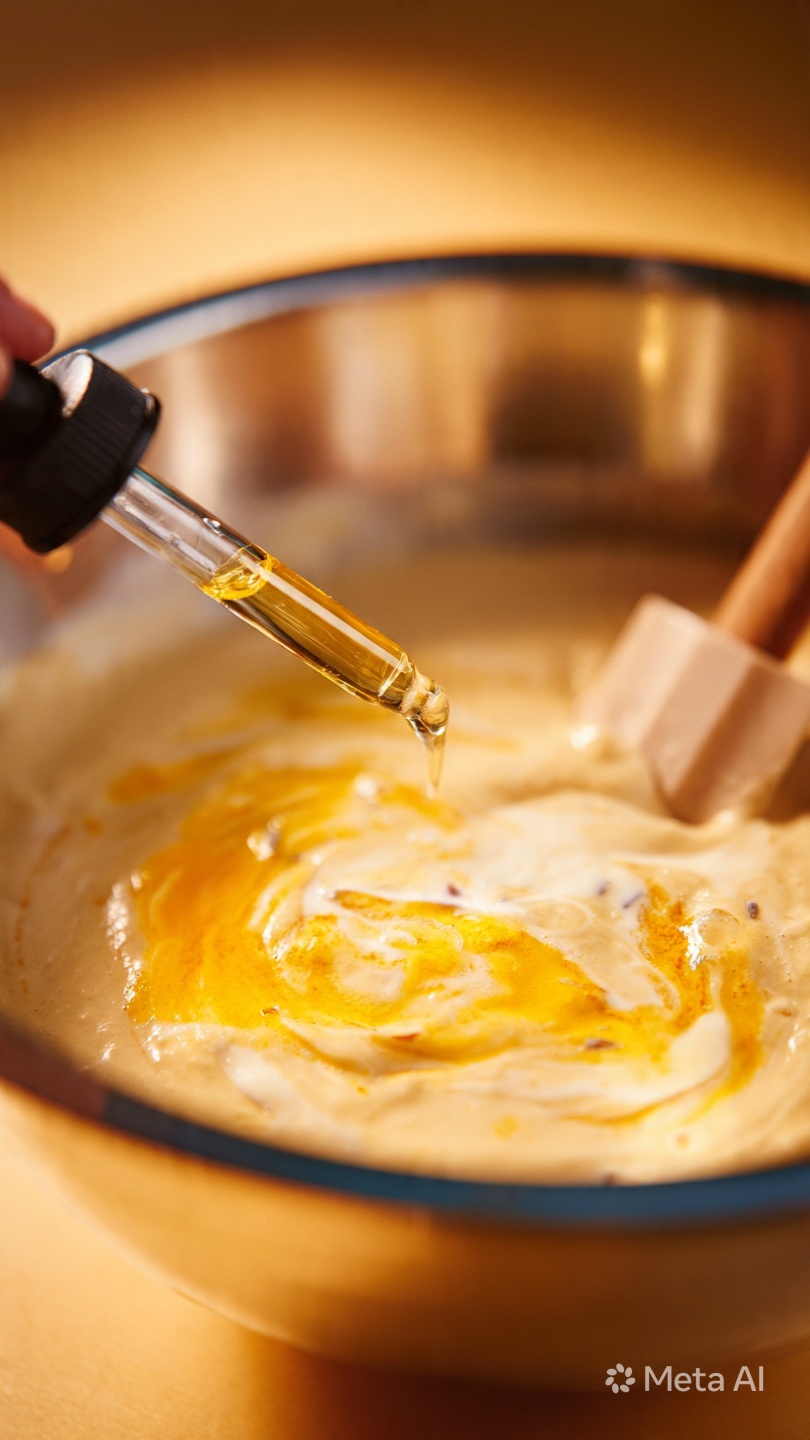
'">Add optional ingredients
Add essential oils (10-20ml), colourants, or exfoliants. Stir thoroughly with spatula.
 '">
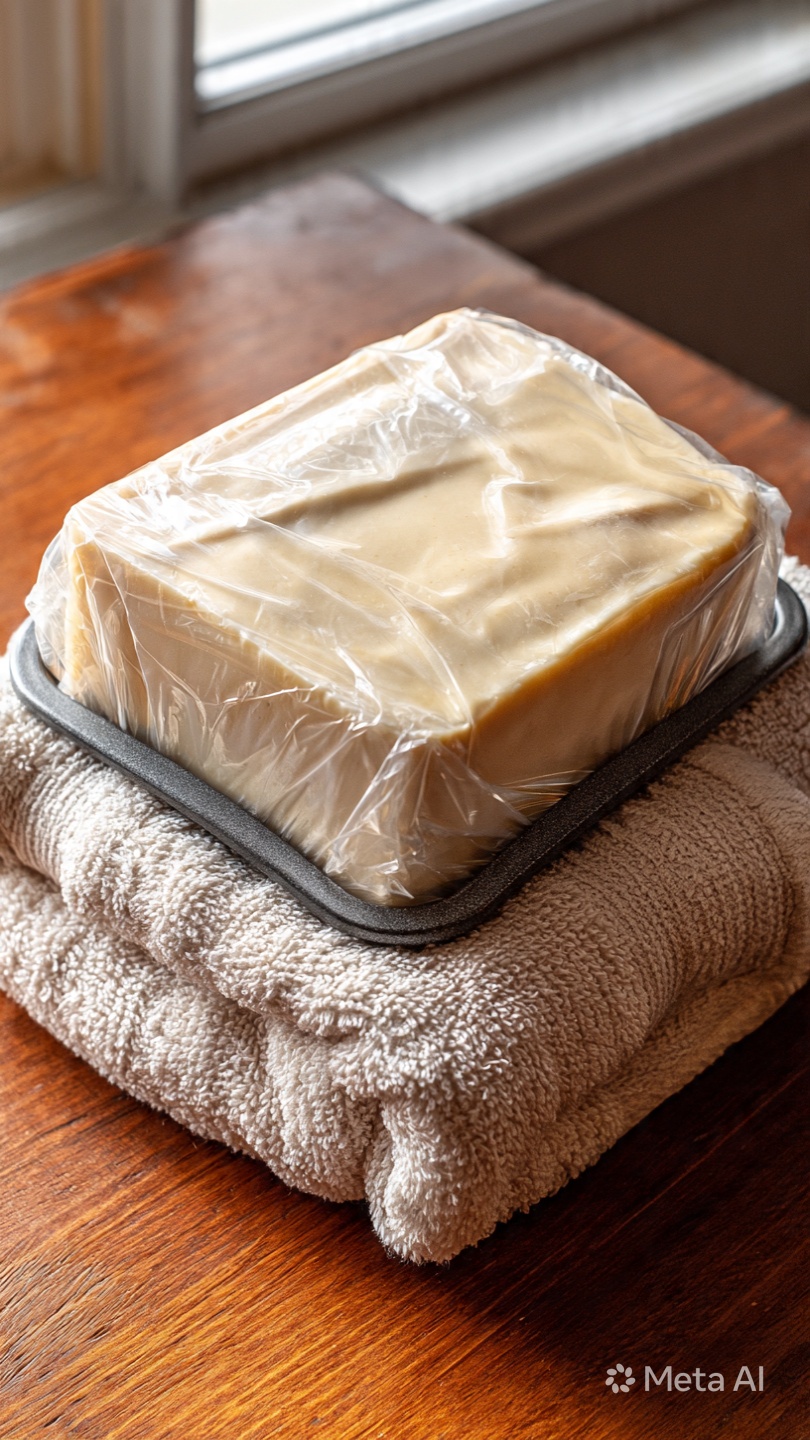
'">Pour into mold & insulate
Pour into silicone mold. Cover with plastic wrap, wrap in towel. Leave 24-48 hours for saponification.
 '">
'">Unmold and cut
After 24-48 hours, unmold and cut into bars (8-10 bars). Wear gloves – soap is still caustic.
 '">
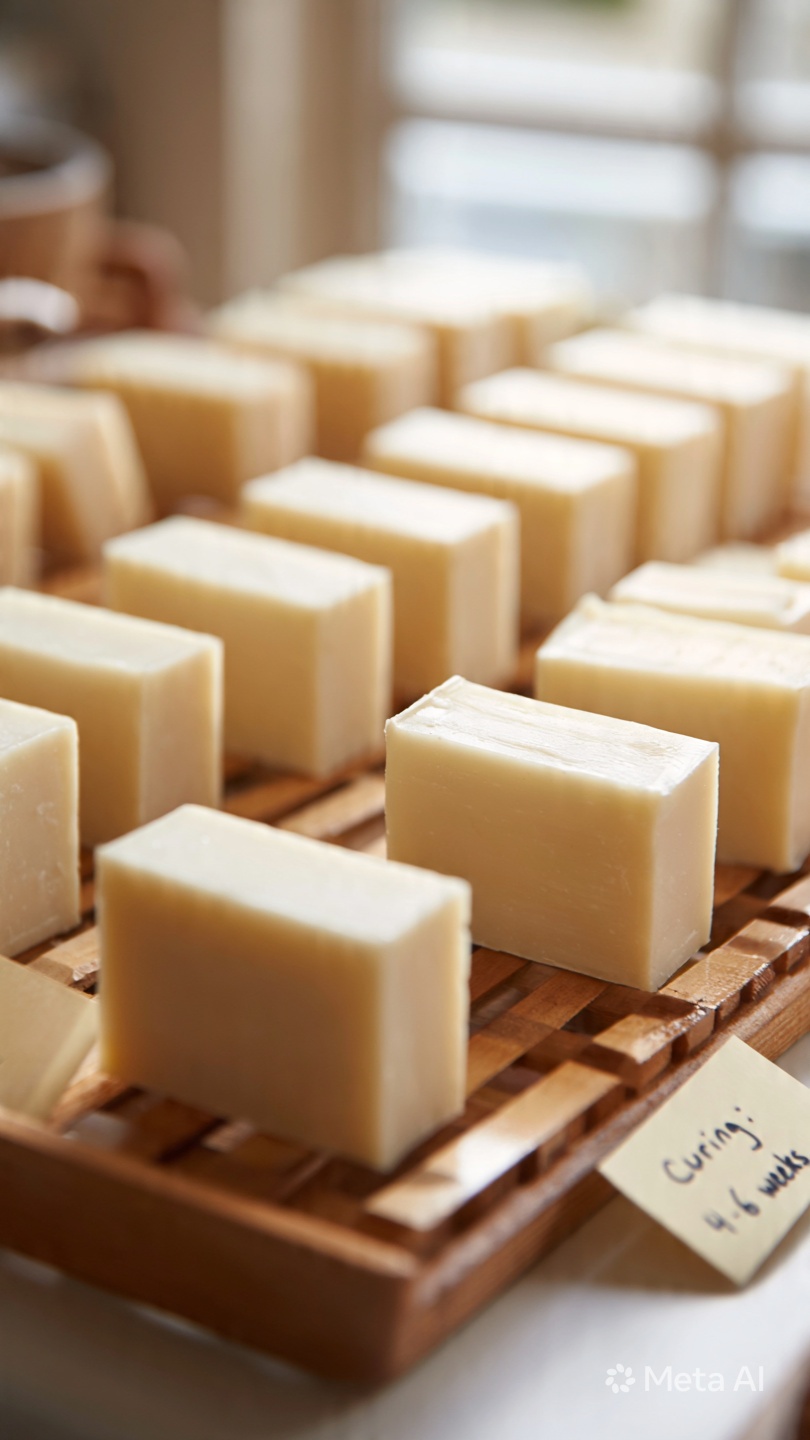
'">Cure for 4-6 weeks
Place bars on rack in cool, dry area with airflow. Turn every few days. Soap is ready when pH 8-10 and no zap.
 '">
'">| Time/Hours | Temperature (°C) | Appearance | Colour | Notes |
|---|---|---|---|---|
| Immediately after pour | _____ | _____ | _____ | _____ |
| 1 hour | _____ | _____ | _____ | _____ |
| 6 hours | _____ | _____ | _____ | _____ |
| 12 hours | _____ | _____ | _____ | Gel phase? |
| 24 hours (unmold) | _____ | _____ | _____ | _____ |
| Week 4 of cure (ready!) | _____ | _____ | _____ | pH test: _____ |
Safe soap pH is between 8 and 10 (slightly alkaline). Wet soap bar, rub to create lather, touch pH strip to lather. Compare colour to chart.
 '">
'">📊 Cost Calculation (1kg batch – 8-10 bars)
| Coconut oil (500g) | 100 KES |
| Palm oil (300g) | 60 KES |
| Olive/sunflower oil (200g) | 80 KES |
| Sodium hydroxide (135g) | 40 KES |
| Essential oil (optional) | 50 KES |
| Total material cost | 330 KES |
| Cost per bar (10 bars) | 33 KES |
| Selling price per bar | 80-120 KES |
| Profit per bar | 47-87 KES (≈140% profit) |
- 💧 Oily or weeping oil: Not enough lye – discard safely
- ⚪ White powder on top (soda ash): Normal, harmless – wipe off
- 💔 Crumbly soap: Too much lye or overheated
- 🔴 Orange spots (DOS): Rancid oils – use fresher oils next time
- 🔥 Soap burns skin: pH too high – cure longer (up to 8 weeks)
| Criteria | Exceeds (5) | Meets (4) | Approaching (3) | Below (2-1) |
|---|---|---|---|---|
| Safety & Preparation | Full safety gear, accurate measurements, proper lye procedure | Basic safety, mostly accurate | Incomplete precautions | No safety gear |
| Saponification Process | Proper trace, correct temps, gel phase observed | Achieves trace, soap hardens | Trace difficult | No trace |
| Final Product | pH 8-10, smooth texture, no ash, pleasant | Usable, minor issues | Cosmetic flaws | Unusable |
| Documentation & Business | Full photo log, cost analysis, business plan, profit calc | Most steps, basic cost | Partial documentation | None |
- Create three soap variations, compare lather/hardness
- Calculate SAP value for custom oil blend
- Sell soap at school market day – document sales
- Create packaging and labels for your brand
Kenya's natural skincare industry is growing. Starting capital: 1,000-3,000 KES. Monthly profit potential: 5,000-20,000 KES from home.


🖨️ Print or Save as PDF
Take this recipe to your kitchen. Safety first – always wear goggles and gloves!