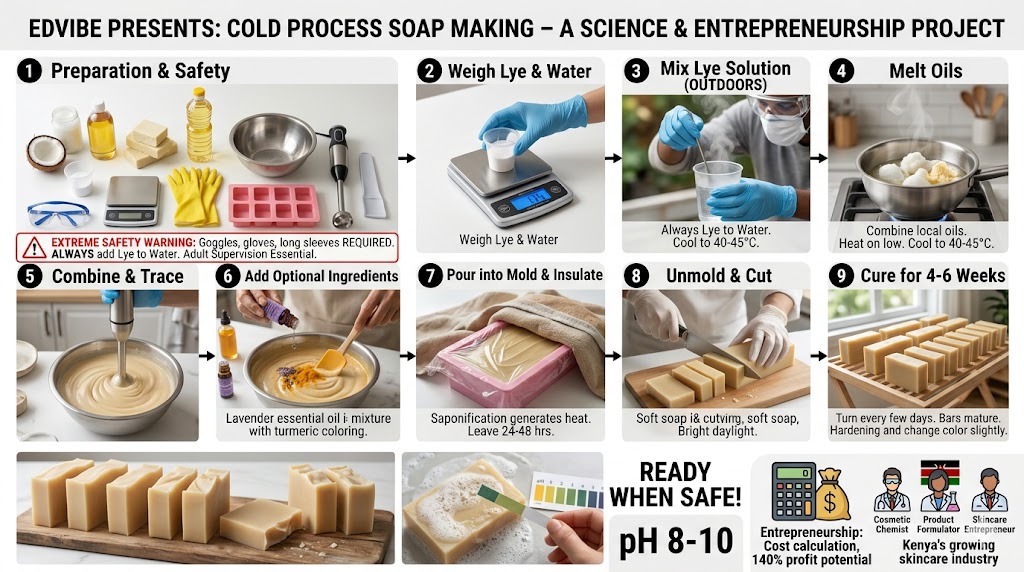
Soap making is chemistry you can touch, smell, and use. When you mix oils (fats) with sodium hydroxide (lye), a chemical reaction called saponification occurs. The triglyceride molecules in oils break apart and recombine with lye to form soap molecules (sodium salts of fatty acids) and glycerin.
Fat/Oil (Triglyceride) + Sodium Hydroxide (NaOH) → Soap + Glycerin
- Sodium hydroxide (lye) is HIGHLY CORROSIVE – causes severe chemical burns
- ALWAYS wear safety goggles, rubber gloves, and long sleeves
- ALWAYS add lye to water – NEVER water to lye (causes violent eruption)
- Keep vinegar nearby to neutralize lye spills on skin
- Adult supervision REQUIRED for anyone under 18
Oils (locally available)
| Oil Type | Amount | Local Source |
|---|---|---|
| Coconut oil | 500g | Local market (150-200 KES/kg) |
| Palm oil / vegetable shortening | 300g | Local market (120-180 KES/kg) |
| Shea butter (optional) | 100g | Open-air market (300-500 KES/kg) |
| Olive or sunflower oil | 200g | Supermarket (300-400 KES/litre) |
Lye Solution:
- Sodium hydroxide (caustic soda) - 135g (hardware shop, 200-300 KES/kg)
- Distilled or rain water - 310ml
Equipment:
- Stainless steel bowl, kitchen scale, stick blender, safety goggles, rubber gloves, silicone mold
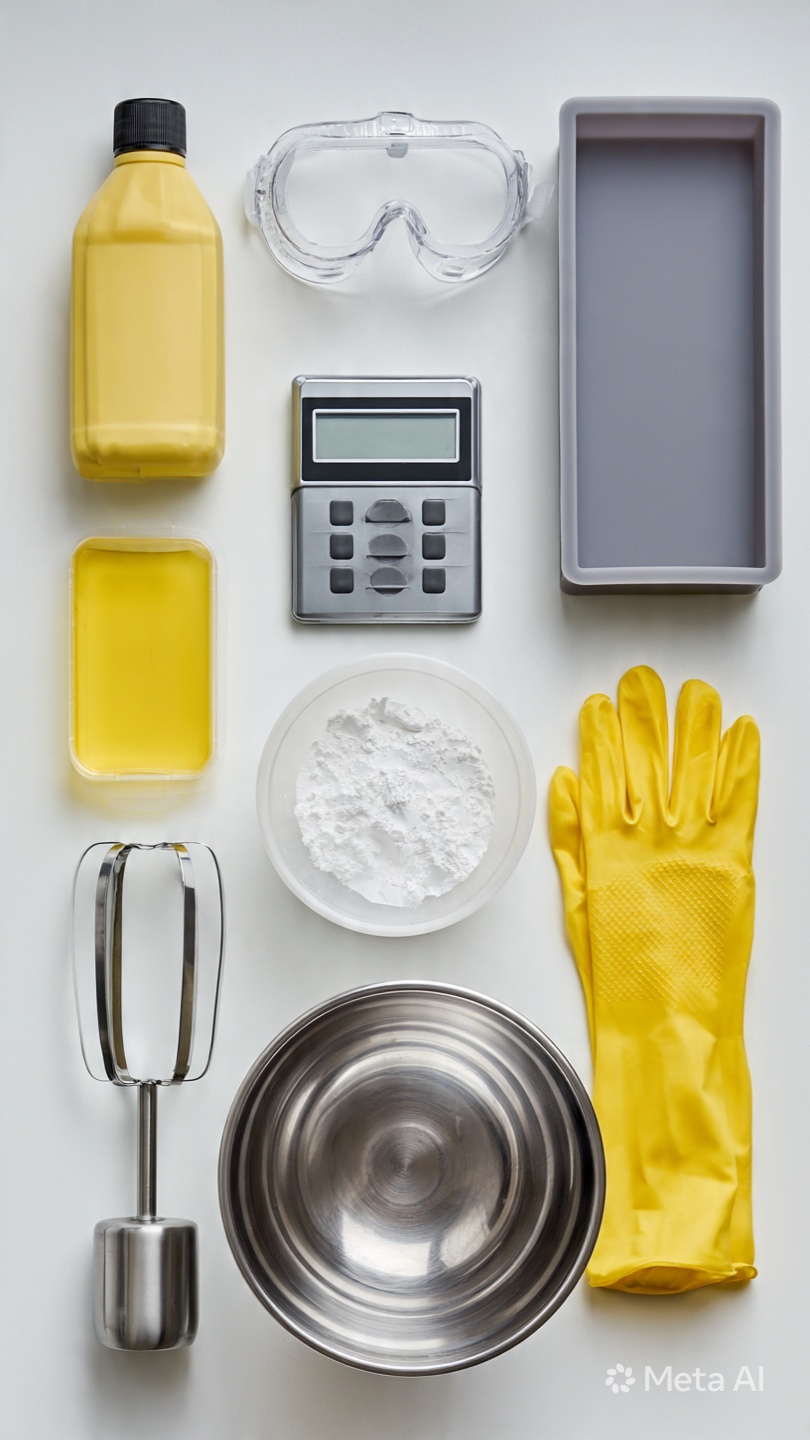
Prepare workspace & safety gear
Cover surface with newspaper. Wear goggles, gloves, long sleeves. Have vinegar ready for spills.
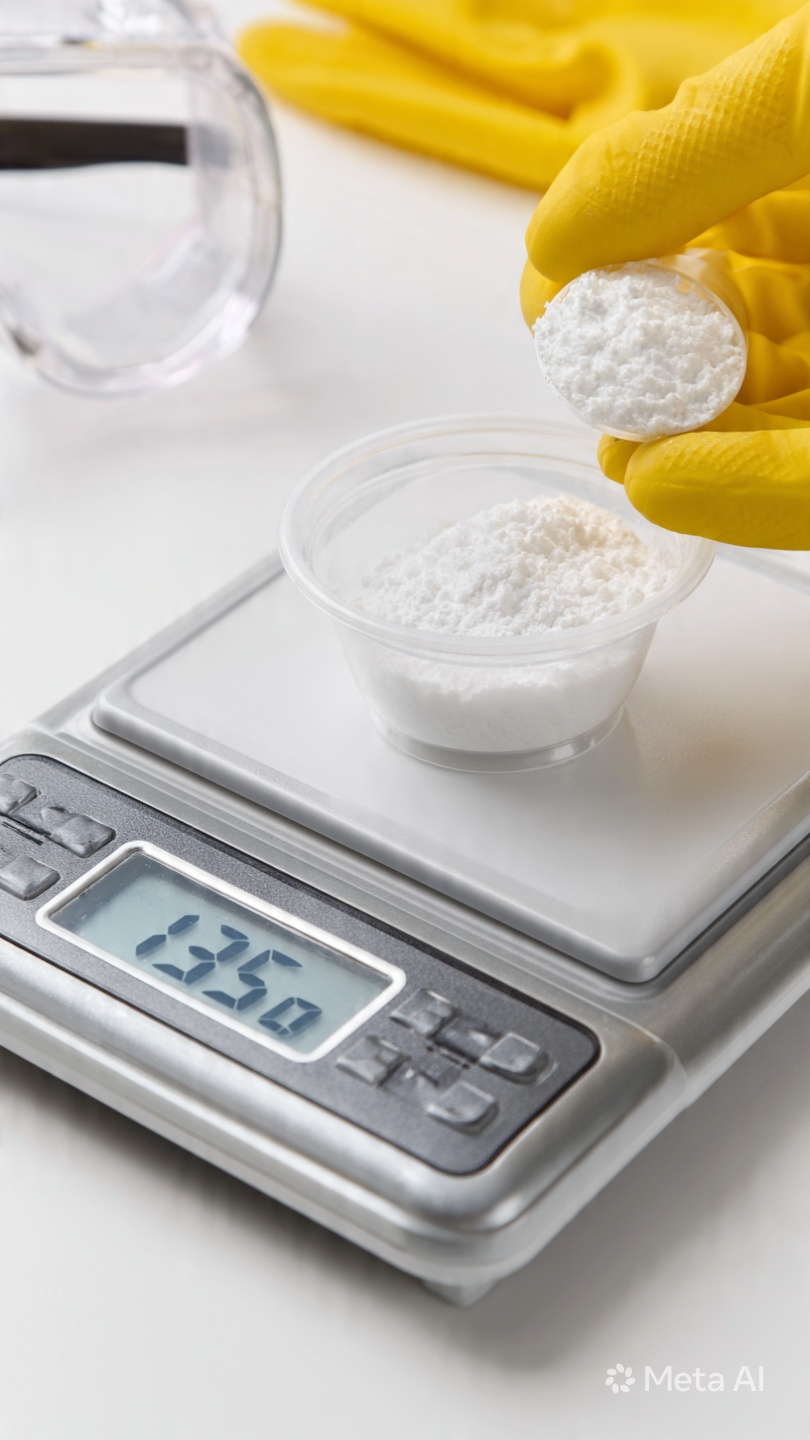
Weigh lye and water
Weigh 135g sodium hydroxide. Weigh 310ml (310g) water.
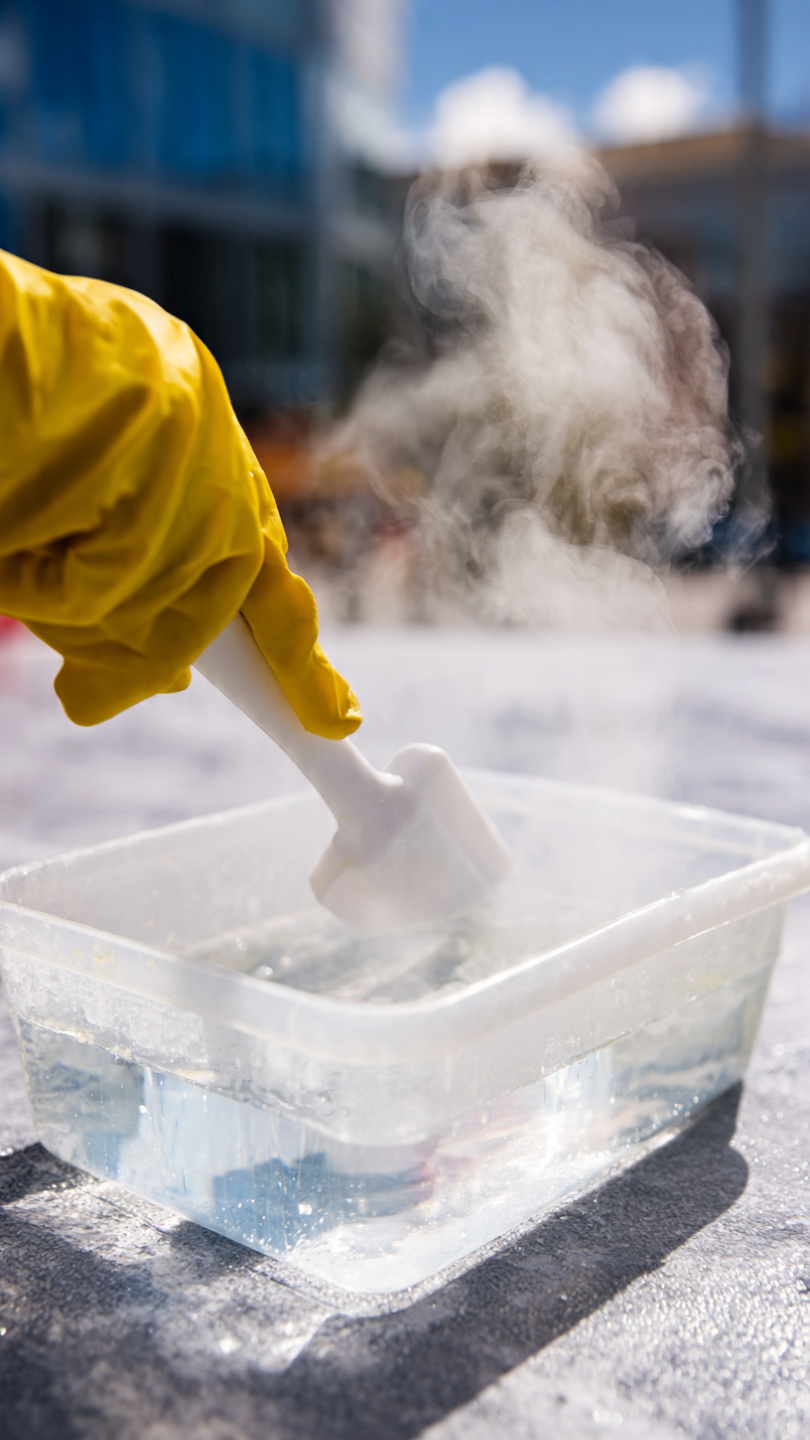
Mix lye solution (OUTDOORS)
Slowly pour lye INTO water while stirring. Solution heats to 90°C. Set aside to cool to 40-45°C.
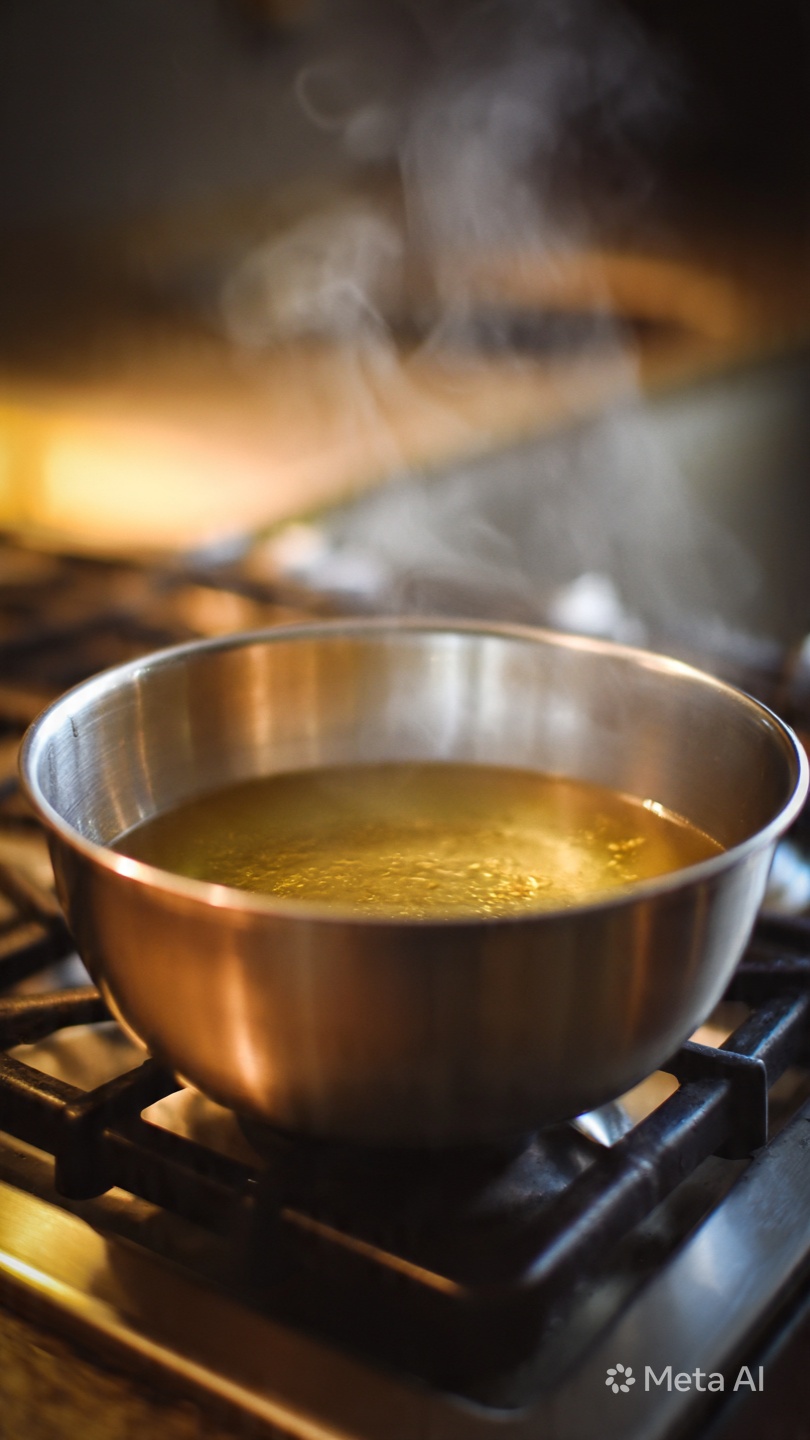
Measure and melt oils
Weigh all oils into stainless steel bowl. Warm until solid oils melt. Cool to 40-45°C.
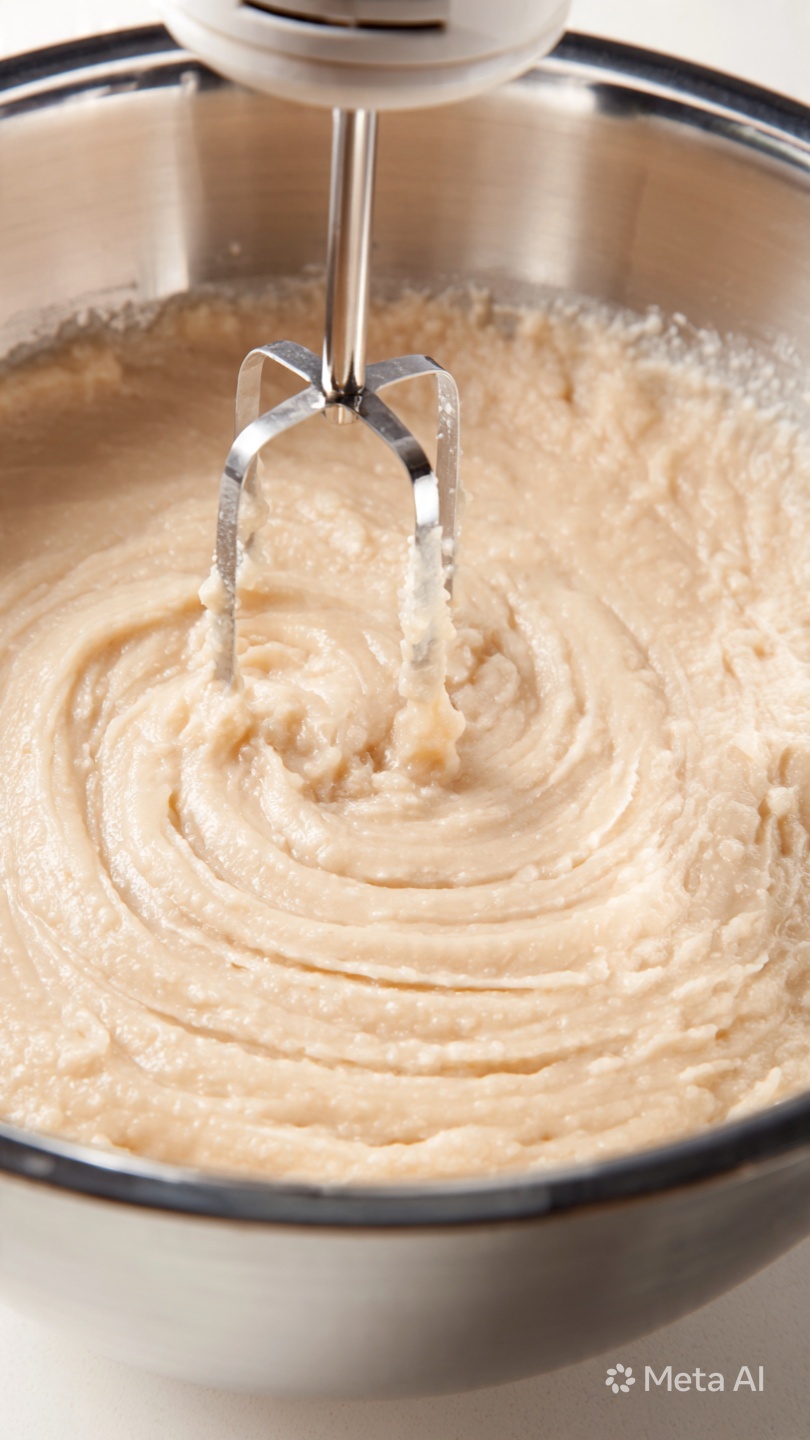
Combine lye and oils ("Trace" stage)
Pour lye into oils while blending with stick blender. Blend until mixture leaves a trail on surface (pudding-like).
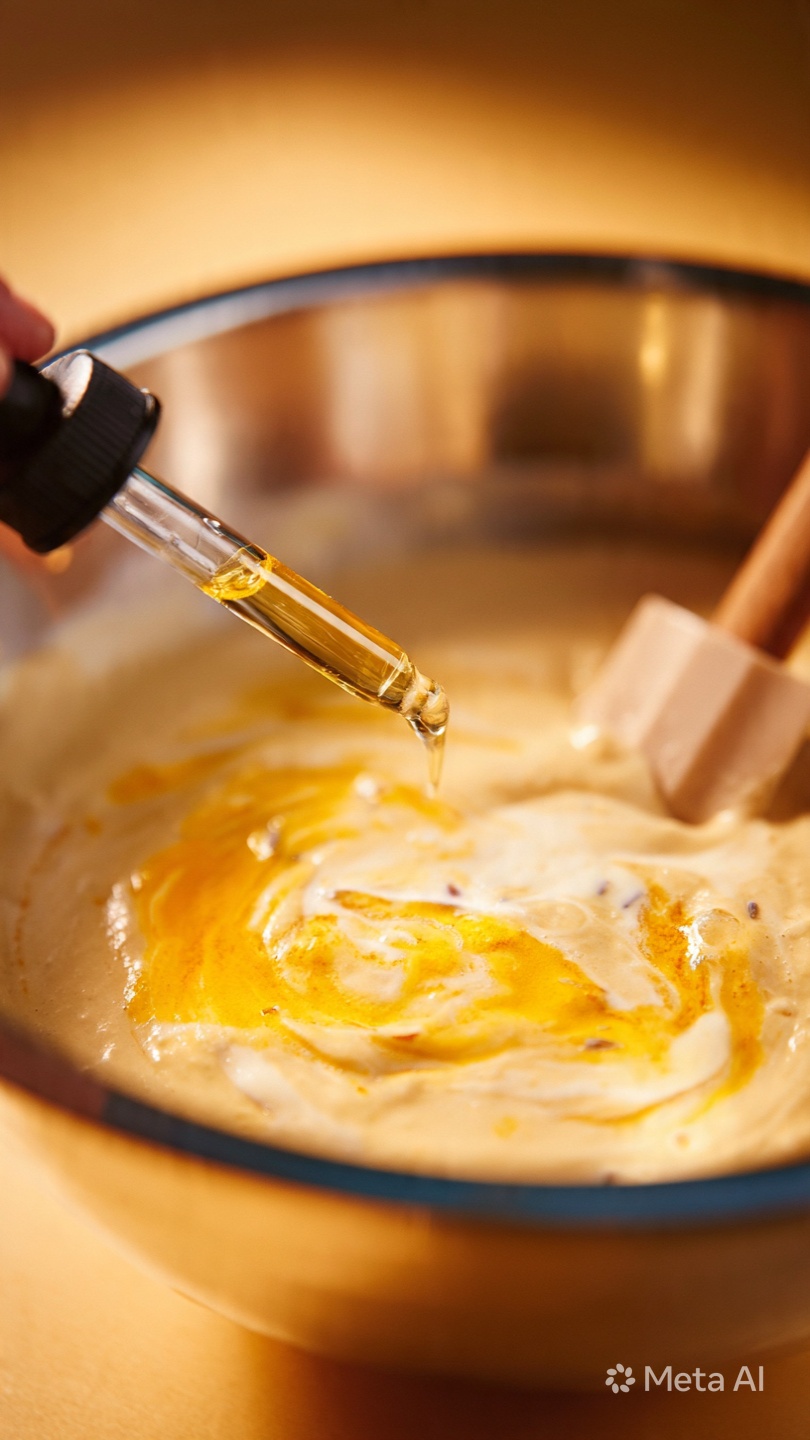
Add optional ingredients
Add essential oils (10-20ml), colourants, or exfoliants. Stir thoroughly with spatula.
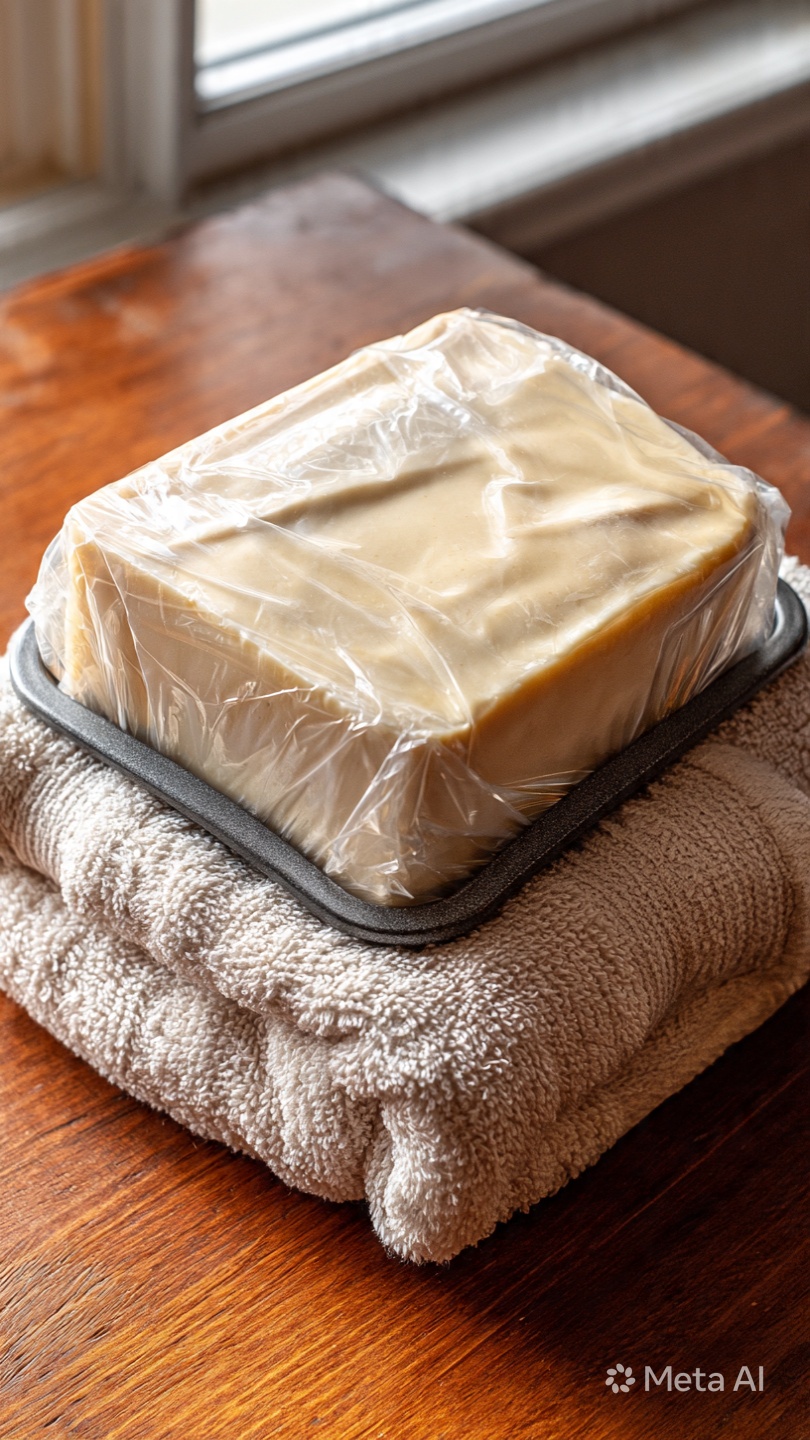
Pour into mold & insulate
Pour into silicone mold. Cover with plastic wrap, wrap in towel. Leave 24-48 hours for saponification.
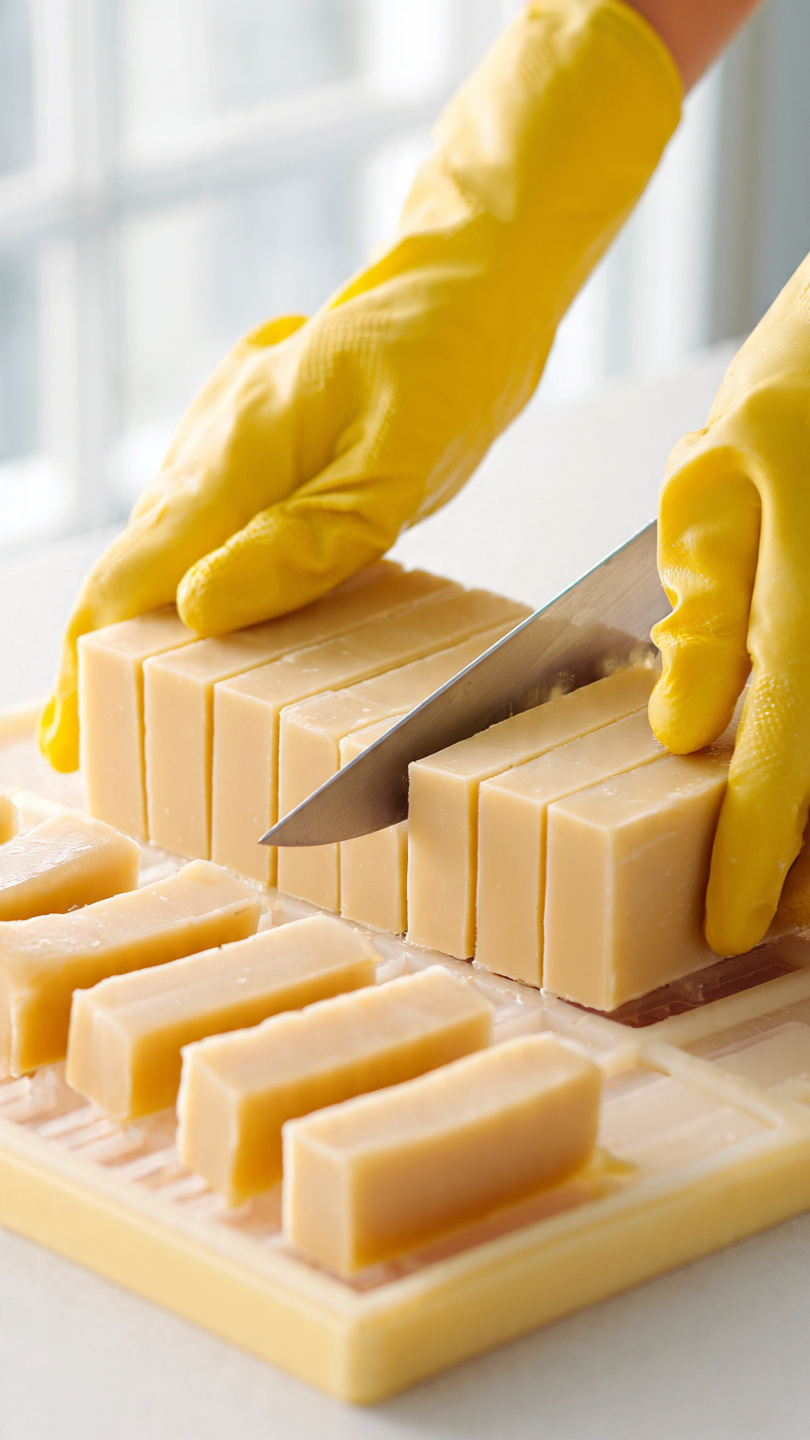
Unmold and cut
After 24-48 hours, unmold and cut into bars (8-10 bars). Wear gloves – soap is still caustic.
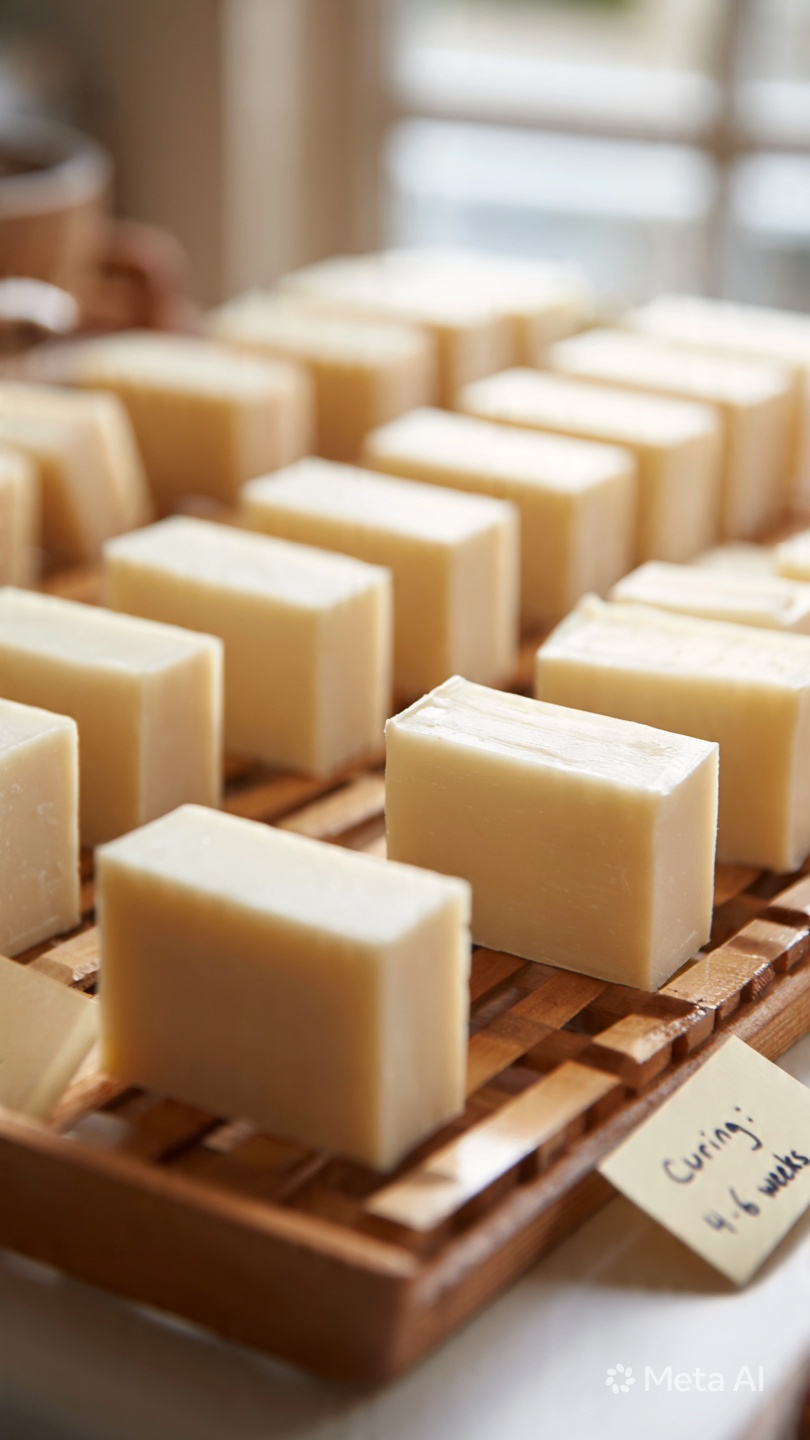
Cure for 4-6 weeks
Place bars on rack in cool, dry area with airflow. Turn every few days. Soap is ready when pH 8-10 and no zap.
| Time/Hours | Temperature (°C) | Appearance | Colour | Notes |
|---|---|---|---|---|
| Immediately after pour | _____ | _____ | _____ | _____ |
| 1 hour | _____ | _____ | _____ | _____ |
| 6 hours | _____ | _____ | _____ | _____ |
| 12 hours | _____ | _____ | _____ | Gel phase? |
| 24 hours (unmold) | _____ | _____ | _____ | _____ |
| Week 4 of cure (ready!) | _____ | _____ | _____ | pH test: _____ |
Safe soap pH is between 8 and 10 (slightly alkaline). Wet soap bar, rub to create lather, touch pH strip to lather. Compare colour to chart.

Cost Calculation (1kg batch – 8-10 bars)
| Coconut oil (500g) | 100 KES |
| Palm oil (300g) | 60 KES |
| Olive/sunflower oil (200g) | 80 KES |
| Sodium hydroxide (135g) | 40 KES |
| Essential oil (optional) | 50 KES |
| Total material cost | 330 KES |
| Cost per bar (10 bars) | 33 KES |
| Selling price per bar | 80-120 KES |
| Profit per bar | 47-87 KES (≈140% profit) |
- Oily or weeping oil: Not enough lye – discard safely
- White powder on top (soda ash): Normal, harmless – wipe off
- Crumbly soap: Too much lye or overheated
- Orange spots (DOS): Rancid oils – use fresher oils next time
- Soap burns skin: pH too high – cure longer (up to 8 weeks)
| Criteria | Exceeds (5) | Meets (4) | Approaching (3) | Below (2-1) |
|---|---|---|---|---|
| Safety & Preparation | Full safety gear, accurate measurements, proper lye procedure | Basic safety, mostly accurate | Incomplete precautions | No safety gear |
| Saponification Process | Proper trace, correct temps, gel phase observed | Achieves trace, soap hardens | Trace difficult | No trace |
| Final Product | pH 8-10, smooth texture, no ash, pleasant | Usable, minor issues | Cosmetic flaws | Unusable |
| Documentation & Business | Full photo log, cost analysis, business plan, profit calc | Most steps, basic cost | Partial documentation | None |
- Create three soap variations, compare lather/hardness
- Calculate SAP value for custom oil blend
- Sell soap at school market day – document sales
- Create packaging and labels for your brand
Kenya's natural skincare industry is growing. Starting capital: 1,000-3,000 KES. Monthly profit potential: 5,000-20,000 KES from home.


Print or Save as PDF
Take this recipe to your kitchen. Safety first – always wear goggles and gloves!